| Symptom | First action | Planning use |
|---|---|---|
| Rice sets into a thick, gluey mass | Serve the moment it is finished and stop vigorous stirring once the rice is cooked | Sauce thickens the longer the dish sits, so plan the table before the pan comes off the heat |
| Sauce looks broken or heavy after finishing | Toss the pan instead of stirring with a spoon | Tossing limits the over-agitation that breaks or thickens a sauce |
| Butter sits on top and does not blend in | Move the pan off the heat and add cold butter to warm rice, then move the pan in waves | This is the finishing step called mantecatura, so keep it for the very end |
| Unsure which rice to buy | Reach for carnaroli or arborio, or another short-grain rice | Check the pantry before shopping, because short-grain rice is the accepted fallback |
| Tired of stirring the pot | Try an oven or pressure cooker method | The oven version cuts stirring time and runs under an hour in total |
Techniques in the table come from Epicurious’s risotto roundup and the finishing-technique explainer at The Shortli.st.
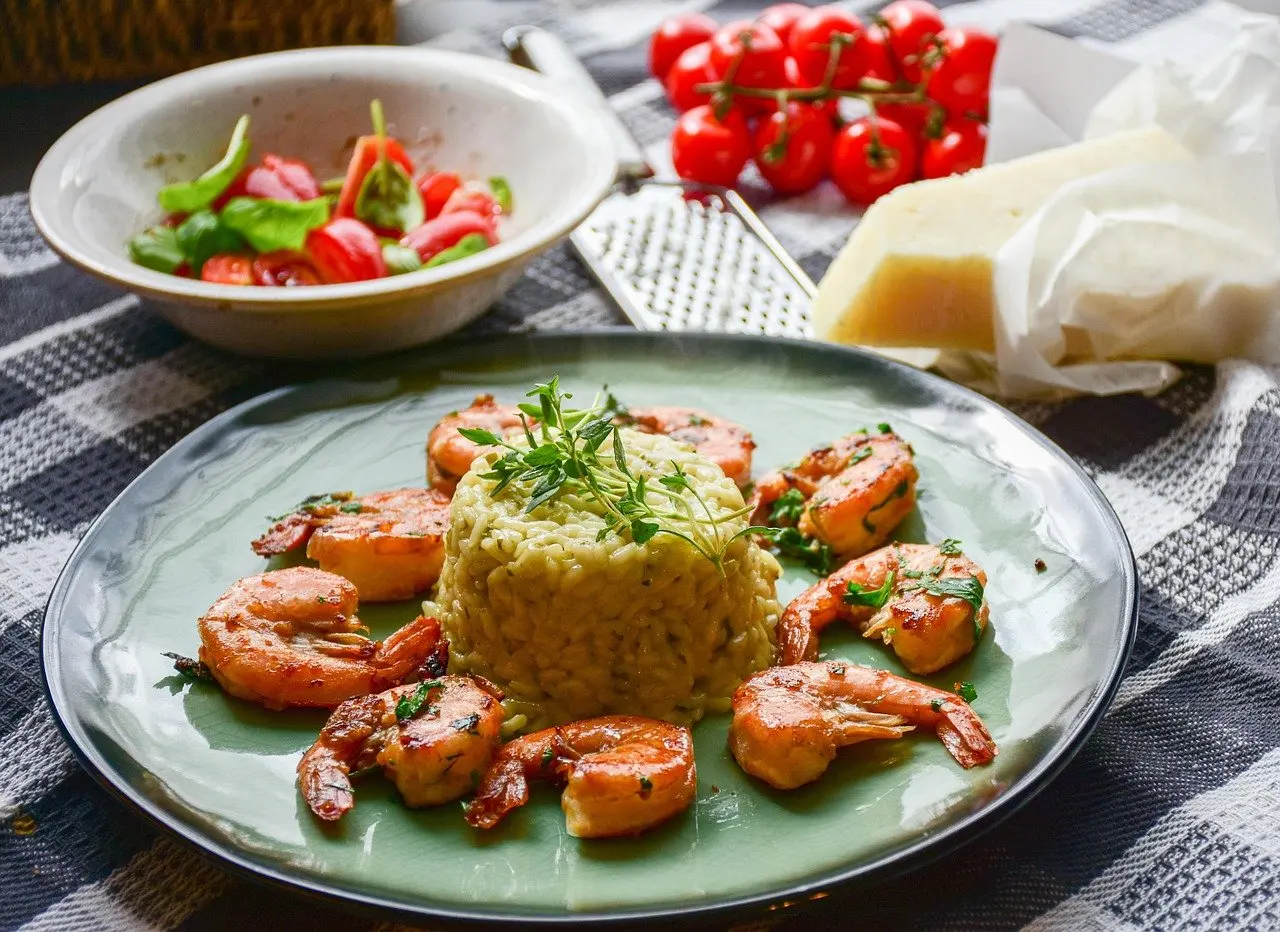
To learn how to make risotto that flows rather than clumps, use short-grain rice such as carnaroli or arborio, add hot stock gradually, finish off the heat with cold butter and Parmigiano Reggiano, and serve immediately.
This guide treats risotto as a texture problem. Each stage below links a step to the result it produces, so a gluey pot can be traced back to its cause. It sits among the italian home cooking recipes on the site, and the finishing logic overlaps with pasta, covered in how to make fresh pasta at home.
Choosing rice and stock
Carnaroli rice and Arborio rice are the two names that recur for risotto. Epicurious’s risotto roundup treats carnaroli as the first choice in one recipe and arborio as the fallback, with any other short-grain rice acceptable if neither is in the cupboard. Arborio also appears as the rice in a risotto built around caramelized chicories and radicchio.
That answers the common question of which rice is best for risotto in practical terms. Buy carnaroli or arborio when a recipe is a classic, and use another short-grain rice rather than abandoning dinner. Barley and orzo also turn up as alternatives to rice in that roundup. They suit cooks who want a different grain, but they are a separate dish rather than a like-for-like swap. Long-grain rice is not named as an acceptable substitute, so it is a poor gamble if a creamy result is the goal.
Stock
Vegetable stock is a sound default for a meat-free risotto. In the same roundup, toasted barley simmered over low heat with vegetable broth picks up an extra nutty flavour, which shows the liquid is not just a wet ingredient but a seasoning. Choose a stock whose flavour is pleasant on its own, because the rice absorbs it entirely.
Toasting the rice with the onion
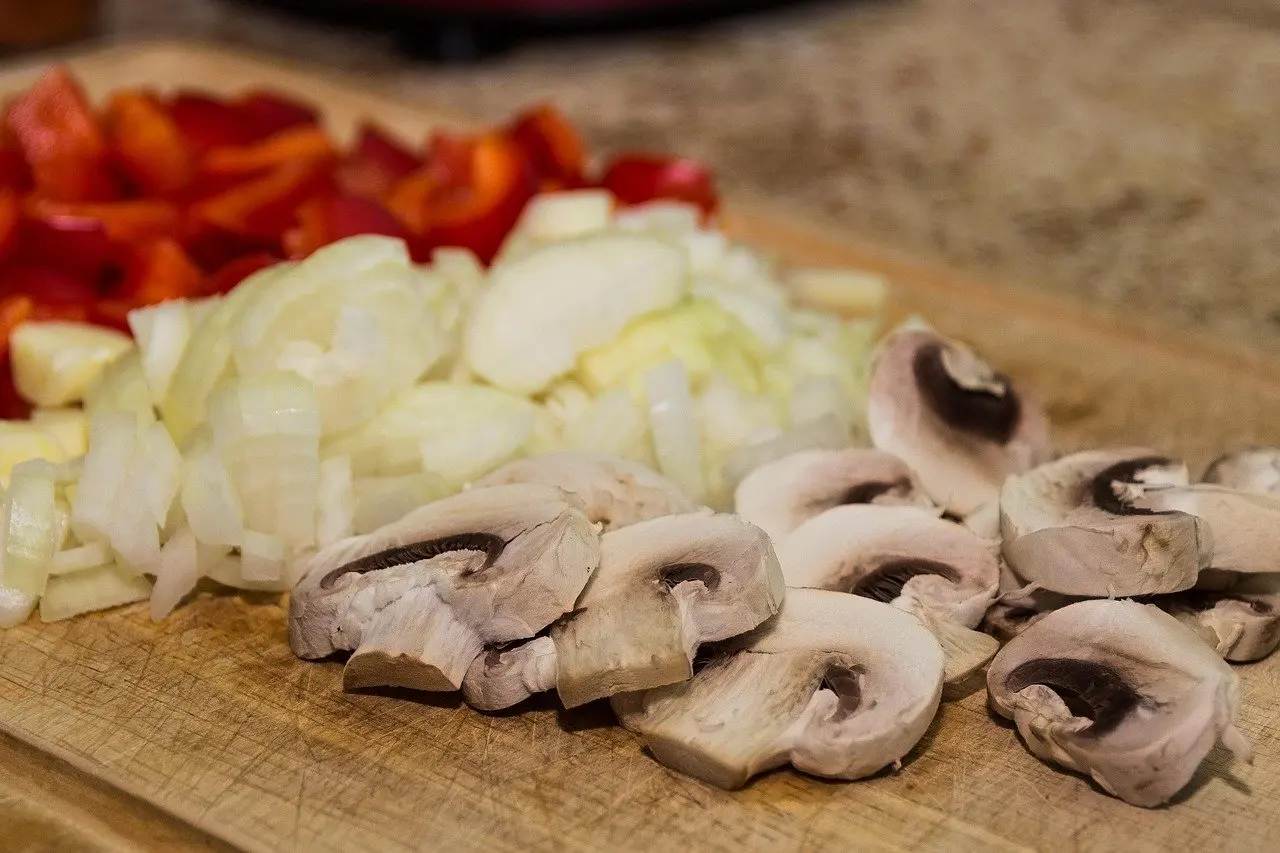
Tostatura means toasting the dry rice in the pan with the chopped onion before any liquid goes in. Treat it as the point where each grain is coated and the base flavour is set. It is also the stage where a cook decides on the pan: a wide, open pan gives the rice room, which makes the next stage easier to control.
A common slip at this stage is rushing to add liquid. If the rice has not been coated and warmed through, the stock goes into a cold, uneven start. Gluey results usually begin later, but a careless start makes every later step harder to judge.
Adding stock and judging the rice
Stock goes in gradually, a ladle at a time, rather than in one flood. The ladle gives the cook a series of small checkpoints: look at how much liquid is left in the pan, and taste the rice before adding more. Keeping the stock hot means the pan never drops out of its cooking rhythm.
Do you have to stir constantly?
No method in the supplied sources demands non-stop stirring. Epicurious describes an oven risotto that cuts down stirring time and finishes in under an hour in total, and a pressure cooker version that cuts out both the stirring and the slow ladling of stock. Both suit a cook who wants to leave the stove, and the trade-off is giving up the hands-on control that lets texture be judged ladle by ladle.
On the stove, the practical lesson comes from the finishing stage: over-agitation is a risk, not a goal. Stir to keep the rice moving and to check it, but there is no benefit in beating it.
Finishing with mantecatura
Mantecatura is the final emulsifying step, in which fat is worked into the starchy rice so the dish turns creamy. The Shortli.st explains that the starch from the cooking water or the rice acts as a natural emulsifier, which is why the step works without cream.
For risotto the technique is called all’onda, or wave rice. Take the pan off the heat, add cold butter to the warm rice, and move the pan in waves rather than beating the contents. Epicurious’s recipes round the dish out with a nob of butter and a flurry of Parmigiano Reggiano, so butter and cheese together make a dependable finish.
Why tossing beats stirring
Unlike stirring, tossing helps prevent over-agitation, which can cause the sauce to break or become too thick. That sentence explains why a vigorous finish is a common cause of heavy risotto. It also explains why the pan, not the spoon, does the work at this stage.
Serve at once
The dish needs to be served immediately, because the longer it sits, the more viscous the sauce becomes. Warm the bowls, bring everyone to the table, and finish the rice last. Dishes served alongside, such as the ones among the traditional italian meat recipes, can wait. The risotto should not.
Diagnosing gluey risotto
Gluey risotto is almost always a timing or handling problem rather than an ingredient problem. The supported causes point in the same direction: too much agitation at the end and too long a wait before serving. Work through these in order.
- Thick and stodgy on the plate. The sauce has had time to thicken. Serve straight from the pan and do not hold the dish while the rest of the meal is finished.
- Heavy and clumping after the butter goes in. The finish was probably too forceful. Toss the pan instead of stirring, so the sauce does not break or become too thick.
- Greasy rather than creamy. The fat has not emulsified with the starch. Add the cold butter off the heat to warm rice, and let the starch in the rice do the binding.
- Wrong rice for the job. Switch to carnaroli, arborio or another short-grain rice, since these are the varieties the roundup treats as standard.
If the dish turns out heavy, the fix for the next attempt is rarely a different recipe. Change the handling: gentler motion at the end, cold butter off the heat, and a shorter gap between pan and plate.
Frequently asked questions
| Question | Answer |
|---|---|
| Which rice is best for risotto? | Carnaroli and arborio are the standard choices, and another short-grain rice is an acceptable substitute when neither is available. |
| Do I have to stir constantly? | No. An oven method cuts stirring time, and a pressure cooker method removes both stirring and slow ladling of stock. |
| Why is my risotto gluey? | The sauce thickens the longer the dish sits, and over-agitation can make it too thick. Toss the pan at the end and serve immediately. |
| What is mantecatura and why does it matter? | It is the off-heat finish in which cold butter is worked into warm rice. Starch acts as a natural emulsifier, which gives the creamy, wave-like texture. |