Italian dessert recipes split first by method: choose a spoon dessert such as tiramisu or panna cotta if you want to skip the oven, or a cake or tart if you want something that slices and travels. Decide that first, then match effort to occasion.
This page works as a decision guide to the home-style cakes, set creams, tarts and fruit desserts on the site. Each section ends by pointing to the full recipe, so you can choose a direction here and cook from the dedicated guide.
Choosing where to start
The quickest way to narrow down Italian desserts is to answer three practical questions before looking at any ingredient list.
Do you want to use the oven?
If the answer is no, start with the spoon desserts. Tiramisu is built from ladyfinger cookies flavored with instant coffee granules and liqueur, according to Mr. Food’s Italian dessert roundup, and panna cotta is described there as a chilled dessert with a custard consistency. Both depend on fridge time more than on baking skill, which makes them sensible choices for warm weather, small kitchens and cooks who prefer to prepare ahead.
If the answer is yes, the cakes and tarts open up. They take more attention to batter, pans and baking, but they also give you something sturdy enough to slice, wrap and carry to someone else’s table.
Is this for a crowd or a small table?
Individual glasses suit a small table or a plated finish, because every guest gets a portion that looks the same. A cake or tart suits a larger group, since one bake feeds many people and slices can be cut to match appetite. A dessert served in a dish and scooped at the table sits between the two and works well when guest numbers are uncertain.
How much time can you spend on the day?
Chilled desserts shift the work to the day before, leaving only finishing touches for serving time. Cakes can often be baked earlier in the day and left to cool while you cook the rest of the meal. Warm desserts such as zabaglione ask for attention at the stove right before serving, so they suit a host who can step away from the table for a few minutes and wants a showpiece moment.
- Least effort on the day: a chilled spoon dessert prepared in advance, finished with a simple topping.
- Most portable: a firm cake or a tart, which holds its shape better than any cream.
- Most dramatic at the table: a warm spoon dessert or a fruit dessert in a glossy syrup.
- Best for beginners: panna cotta, which the source presents as an easy recipe, or a simple everyday cake.
Spoon desserts that need no oven
Spoon desserts are the most recognisable face of Italian home dessert-making, and they reward careful assembly more than technical skill. They are eaten with a spoon because their texture is soft, creamy or layered, and the pleasure comes from the contrast between layers or flavours.
Tiramisu
Tiramisu is the dessert most people name first, and the description is simple: ladyfingers flavored with coffee and liqueur, finished with a dusting of cocoa. The coffee and cocoa give it a bitter edge that keeps the cream from tasting heavy, which is why it works so well after a rich meal. Decide before you start whether the liqueur is wanted at all, because guests who avoid alcohol, children and drivers are common at family tables. A tiramisu that will be shared widely is easier to plan if the flavoring is decided in advance rather than improvised.
The dessert also illustrates a useful principle for the whole category: the components are assembled rather than cooked together, so each one deserves to be good on its own. Strong coffee, a dependable cream and fresh cocoa matter more than any trick. The full method is in the tiramisu recipe, which is the right next stop if this is your first Italian dessert.
Panna cotta
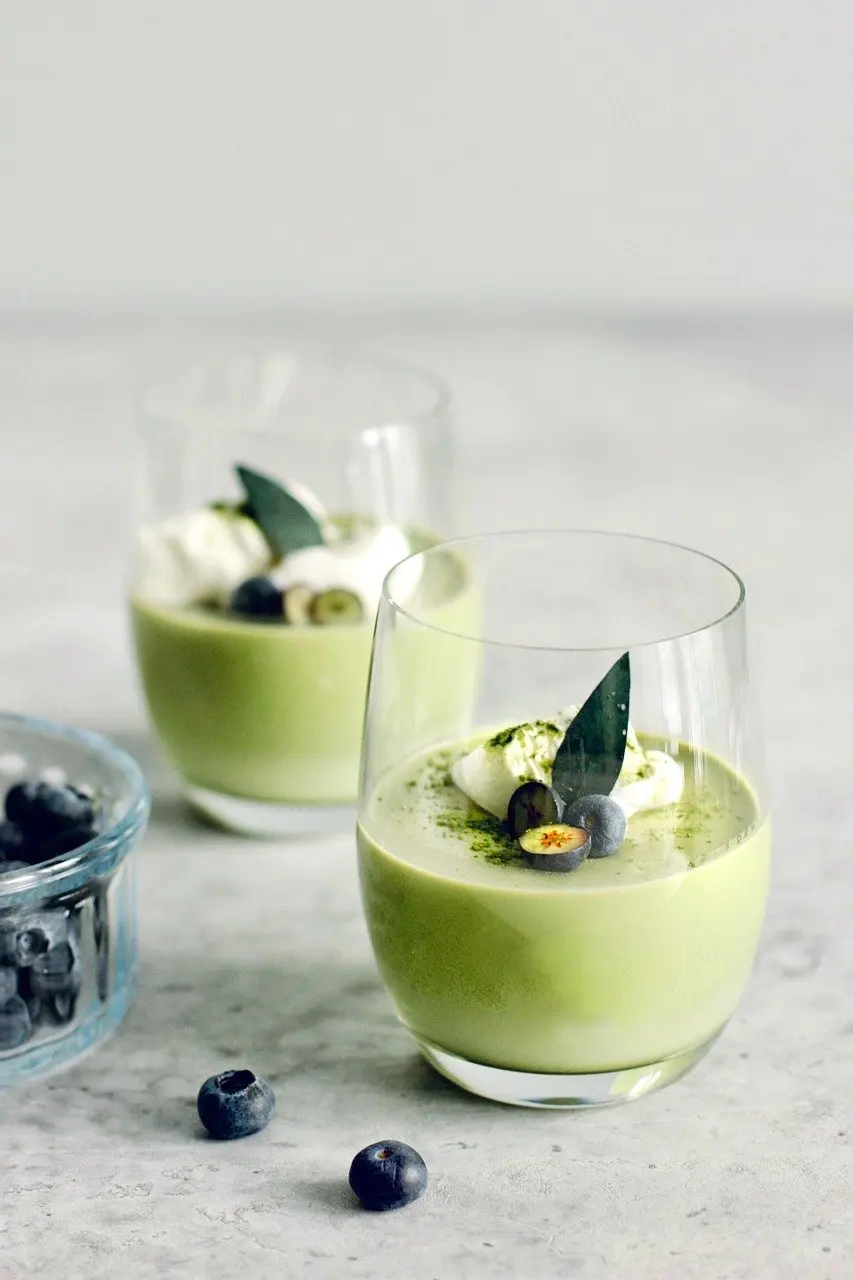
Panna cotta is a chilled Italian-style dessert with a custard-like texture, and the same source calls its recipe easy as can be. That reputation is deserved in one respect: the ingredient list is short and nothing needs to be baked. The challenge is texture, because the finished cream should hold its shape yet still feel soft on the spoon. A dessert that is too firm feels rubbery, and one that is too loose slumps on the plate.

Because texture is the whole point, treat the setting stage and the chilling time as the parts of the recipe that decide success. Give the dessert plenty of time in the fridge rather than rushing it, and decide early whether it will be served in glasses or turned out of a mould. Glasses are forgiving and need no unmoulding, so they suit a first attempt. Moulds look dramatic but ask for a softer touch when serving. The panna cotta recipe covers the technique in detail.

Mascarpone cream with fruit
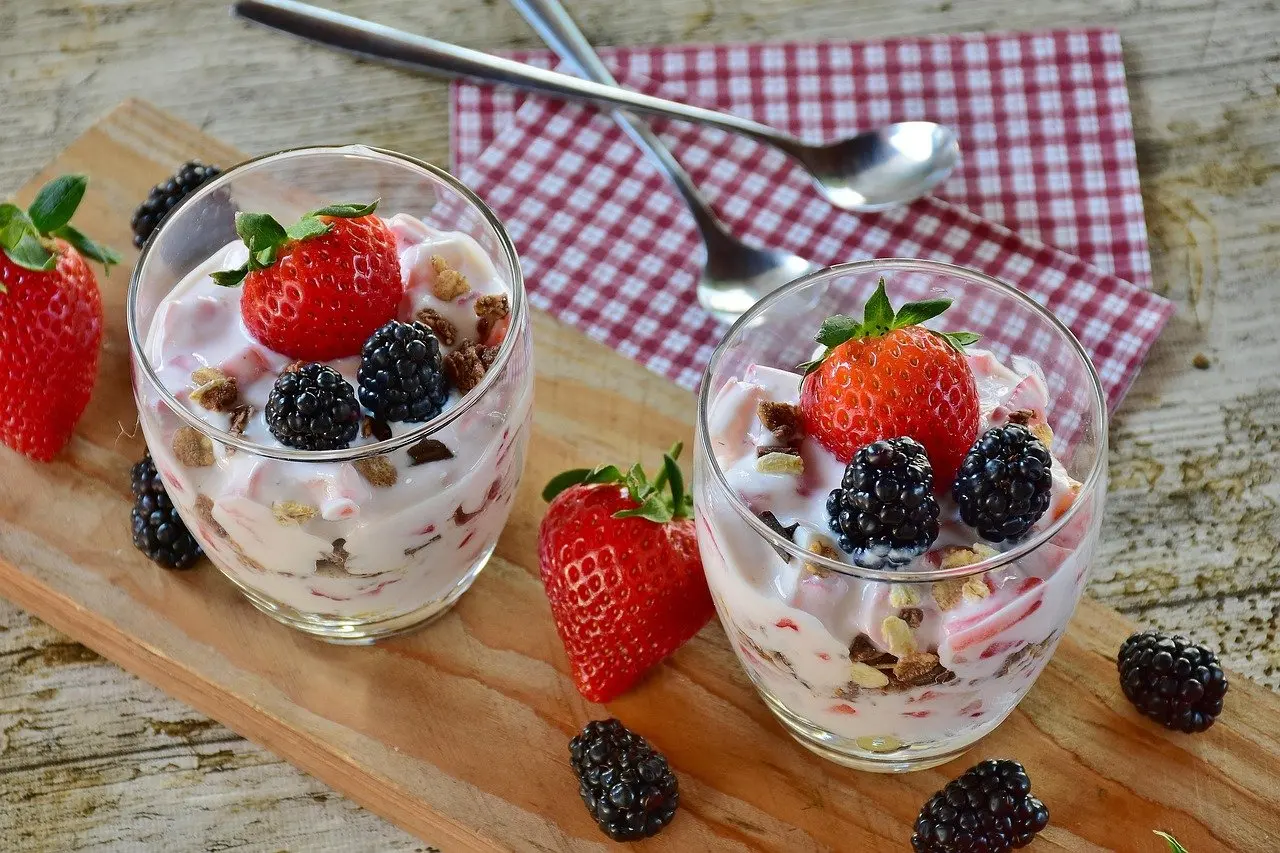
When there is no time for a full tiramisu, a simple cream layered with fresh fruit in small glasses gives a similar feel with less assembly. Strawberries are the classic partner because their acidity cuts through a rich cream and the colour looks good through glass. Choose ripe, fragrant fruit and add it close to serving, so the cups stay fresh rather than watery. This is a serving idea rather than a fixed recipe, so adjust the cream’s sweetness to the fruit and taste before you spoon it in.
Zabaglione
Zabaglione is the warm member of the spoon-dessert family, a whisked egg-based cream that is served almost at once rather than chilled. It suits a confident host with a quiet kitchen, because it cannot wait around in the way a chilled cream can. It also works as a sauce or a topping for fruit, so it is more flexible than it first appears. Read the zabaglione recipe before choosing it for a dinner, because the timing at the stove is the part that needs planning.
Zuppa inglese and custard-based layers
Layered custard desserts are the most patient of the spoon desserts. Zuppa inglese belongs here, and it rests on a good custard base. If you plan to make it, the zuppa inglese recipe shows how the layers come together. A reliable custard is a skill worth learning once and using often, which is why the crema pasticcera recipe deserves attention before you attempt anything that depends on it, including tarts and filled cakes.

Comparing set creams
Several Italian desserts share one idea, a soft cream that holds its shape in a glass or on a plate. They differ in what they ask of the cook, so choose by the result you want rather than by name alone.
- Choose panna cotta when you want a clean, pale cream with a custard-like texture and a flexible topping, from fruit sauce to coffee and crumbled biscuits.
- Choose tiramisu when you want layers, a coffee flavor and a bitter cocoa finish, and when a dish that is scooped at the table is acceptable.
- Choose a custard-based layered dessert when you are happy to make a cream from scratch and want a more substantial, sliceable-with-a-spoon pudding.
- Choose zabaglione when the dessert should arrive warm and the host can stay close to the stove until the last minute.
The practical difference is what happens to the dessert while it waits. A chilled cream is happy in the fridge and gets easier to serve as time passes, whereas a warm dessert loses its appeal the longer it sits. Think about the whole evening, not only the cooking, when you decide.
Garnish is where you can personalise any set cream. Fresh berries, a spoonful of sauce, crushed biscuits or a light dusting of cocoa all change the character without changing the base, so a single reliable cream can serve several menus.
Cakes for the table
Italian cakes are generally built to be eaten with coffee or at the end of a family meal, which means they tend to be plain, sliceable and not overly sweet. They are the best answer when you want a dessert that will keep for a day, travel in a tin or suit an afternoon visit.
Nut and chocolate cakes
Cakes made with ground nuts replace some of the flour, which gives a moist crumb and a rich flavor. The torta di nocciole recipe is the hazelnut route and suits readers who like a cake that tastes of toasted nuts rather than sugar. The torta caprese recipe is the other decision point in this group, a cake that takes well to a dusting of sugar and is a good pick when you want something rich and simple to serve after a meal.
Whichever you choose, the quality of the nuts or chocolate is the main variable, so buy the best you can reasonably afford and use it fresh. Weigh the ingredients rather than measuring by volume, because ground nuts pack differently from flour and the texture of the cake depends on balance.
Fruit and citrus cakes
Fruit cakes suit readers who want a lighter finish. The torta al limone is the bright, citrus option and works well with tea or coffee in the afternoon. The torta di mele is the comforting choice for autumn, and it is forgiving because the fruit keeps the crumb moist. If you are unsure which to try first, pick the fruit that is best in the shops when you plan to bake, since in-season fruit carries more of the flavor than any added extract.
Plain everyday cakes
Not every Italian cake is a showpiece. The ciambellone recipe is the simple ring cake that suits a breakfast table or an informal gathering, and it is a good teaching bake because nothing about it is fussy. The pan di spagna recipe is the sponge that sits behind many layered and filled desserts, and it rewards the cook who learns to handle a light batter gently. Choose the first if you want a cake to eat as it is, and the second if you plan to build something on top of it.
Baking step by step
Whatever the cake, the sequence is the same: prepare the tin, mix the batter without overworking it, pour it in evenly and bake until the cake looks set. Preparing the tin before you begin mixing keeps the batter from sitting around, and a springform pan is helpful for delicate cakes because it releases without turning the cake over. Pour the batter in one smooth motion and level the top gently, rather than scraping it about, so you do not knock out the air you have just worked in.
Tarts and pastry desserts
Tarts are the middle ground between cakes and spoon desserts, because they combine a crisp base with a soft or fruity filling. They ask more of the cook than a simple cake, mostly in handling the pastry, but they repay the effort with a dessert that looks generous and can be made in stages.
The crostata recipe is the everyday tart, the one to learn if you want a dessert that adapts to whatever filling you have. The torta della nonna recipe is the more celebratory option, a family favourite that tends to appear at gatherings. Both rely on good pastry, and the pasta frolla recipe is where to learn the base so that every tart afterwards becomes easier.
Work with pastry in a cool room if you can, and resist the urge to handle it more than necessary. Pastry that has been rested before rolling is easier to shape and less likely to tear, which means that the break you take while the dough rests is not wasted time. Plan tarts for a day when you can spread the work across the morning and the afternoon rather than rushing every stage.
Fruit desserts
A fruit dessert is the lightest ending to an Italian meal and the one that asks the least of the oven. Cooking fruit gently in a flavored liquid softens it and builds a syrup that can be spooned over the plate, and it suits cooks who want something elegant without pastry or batter work.
The classic example is pears poached in red wine, which gives a deep colour and a glossy syrup. Choose firm pears so that they hold their shape through cooking, and let them cool in their liquid so that the flavor and colour sink in. Serve them with a spoonful of cream or a plain biscuit for contrast, since the fruit itself carries plenty of flavor.
The dish is also a good rescue for a menu that is already rich. When the main course was heavy, a poached fruit gives guests a clean finish, and because it can be prepared ahead, it takes pressure off the final hour of cooking.
Serving and presentation
Italian home desserts tend to look simple, and the presentation that works best matches that spirit. A pale cream looks good against a dark sauce, a plain cake benefits from a light dusting of sugar or cocoa and a tart needs little more than clean slices. Over-decoration tends to hide the very qualities that make these desserts appealing.
- Match the garnish to the base. A coffee-flavored dessert suits cocoa or crushed biscuit, while a plain cream suits fruit or a sauce.
- Keep chilled desserts chilled. Take them from the fridge close to serving time, because tiramisu and panna cotta are meant to be eaten cold.
- Cut cakes with a clean knife. Wiping the blade between slices keeps the edges tidy, which matters more on pale cakes than dark ones.
- Plan a contrast. If the dessert is soft, add something crisp such as a biscuit, and if it is dense, add something fresh such as fruit.
Planning a dessert menu
Pairing desserts is easier once you think in terms of contrast. A rich tiramisu is well matched by something fruity, and a plain cake is well matched by a cream. Serving two desserts of the same kind tends to feel repetitive, while a cream and a cake together feel generous.
For a simple family meal, one cake is enough, and it can sit on the table while people help themselves. For a dinner with guests, a chilled cream prepared the day before lets you enjoy the evening, with a fruit dessert as an alternative for guests who prefer something lighter. For a gathering with many people, a tart or a pair of cakes is the sensible choice because slices are quick to serve and leftovers are easy to wrap.
Whichever route you take, start with one recipe and learn it properly. A well-made panna cotta or a reliable plain cake will teach more than a long menu of untried ideas, and the skills carry over to the next dessert you attempt.
Frequently asked questions
Which Italian dessert is easiest for a beginner?
Panna cotta is a good first choice, since the source describes its recipe as easy and the dessert is simply chilled. A plain cake such as ciambellone is the easiest option if you prefer baking.
What is in a traditional tiramisu?
Tiramisu is made with ladyfinger cookies flavored with instant coffee granules and liqueur, and it is topped with a dusting of cocoa.
What texture should panna cotta have?
Panna cotta is a chilled dessert with a custard-like consistency, so it should hold its shape while staying soft on the spoon.
Which desserts can be made without an oven?
Tiramisu and panna cotta are both chilled spoon desserts, and poached fruit such as pears in red wine is cooked on the stove. Cakes and tarts need the oven.
Can Italian desserts be prepared ahead?
Chilled desserts such as panna cotta are designed to rest in the fridge before serving, which makes them suitable for the day before. Warm desserts such as zabaglione are best made just before eating.