This zabaglione recipe uses only egg yolks, sugar and wine, whisked over hot but not boiling water until thick, pale and roughly doubled in volume. Bon Appétit puts it at 15 minutes total for 4–6 servings.
The technique is all heat control, so the steps below stay close to the bain-marie. For more spoon desserts, browse our italian dessert recipes.
Ingredients, ratios and equipment
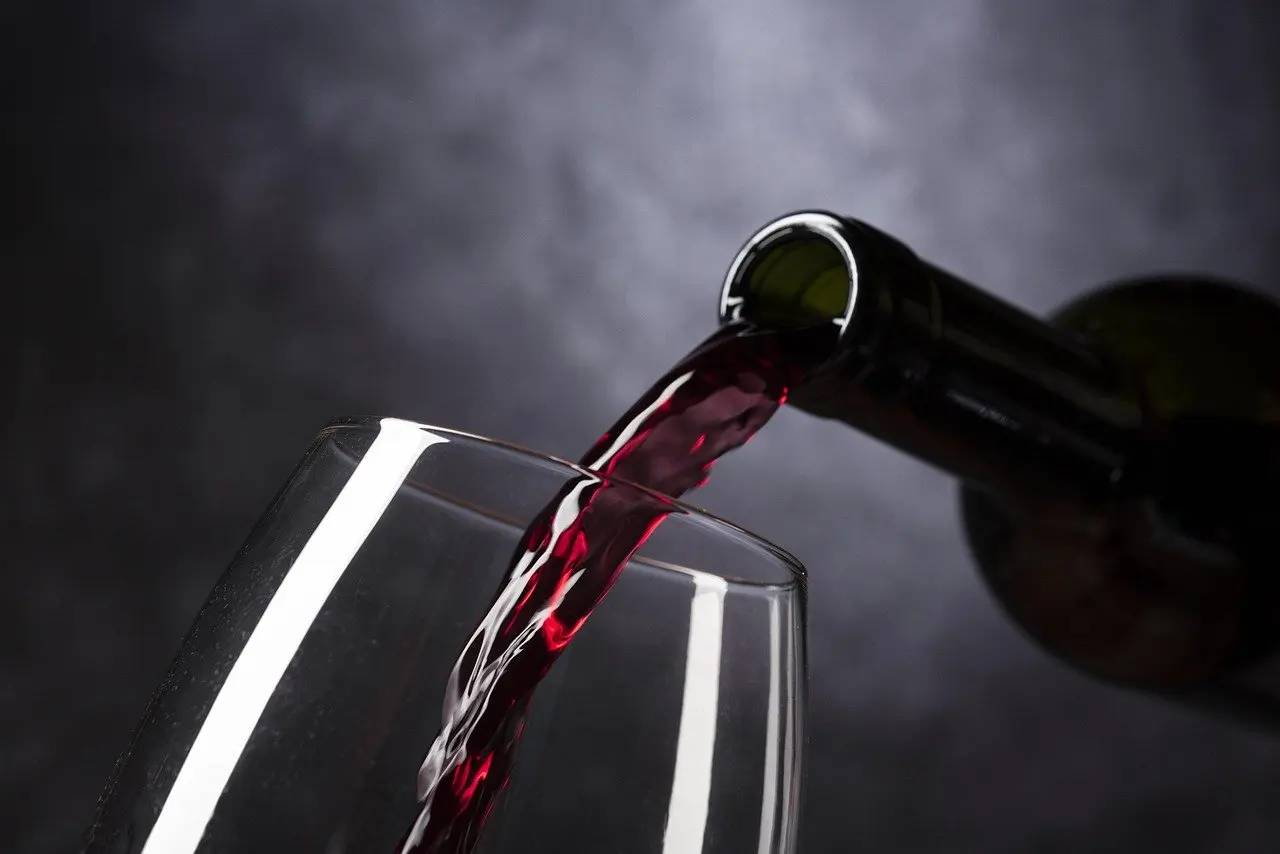
Traditional zabaglione is made from egg yolks, sugar and wine, with no milk or starch, as Bon Appétit describes it. Its own recipe uses 5 large egg yolks, 1/4 cup (50 g) sugar and 1/2 cup sparkling white wine. Anitaliandish uses 4 egg yolks, 1/4 cup sugar and 1/2 cup Marsala, either dry Marsala or another dry white wine. Adriatic uses 75 g sugar, 4 egg yolks and 75 ml Marsala.
The two Marsala versions agree on four yolks, so four yolks with the sugar and Marsala above is a sound starting point for a first attempt. The five-yolk Bon Appétit version is the one rated at 4–6 servings, so choose it when serving a larger table.
- Yolks, sugar and Marsala: keep the three in the proportions above. Separate the eggs carefully, because the whites are not used.
- A round, heatproof bowl: Adriatic puts the yolks in a stainless steel or copper bowl. Either works, and a copper bowl is a tradition rather than a requirement.
- A saucepan for the bain-marie: it must be wide enough for the bowl to sit above the water without touching it.
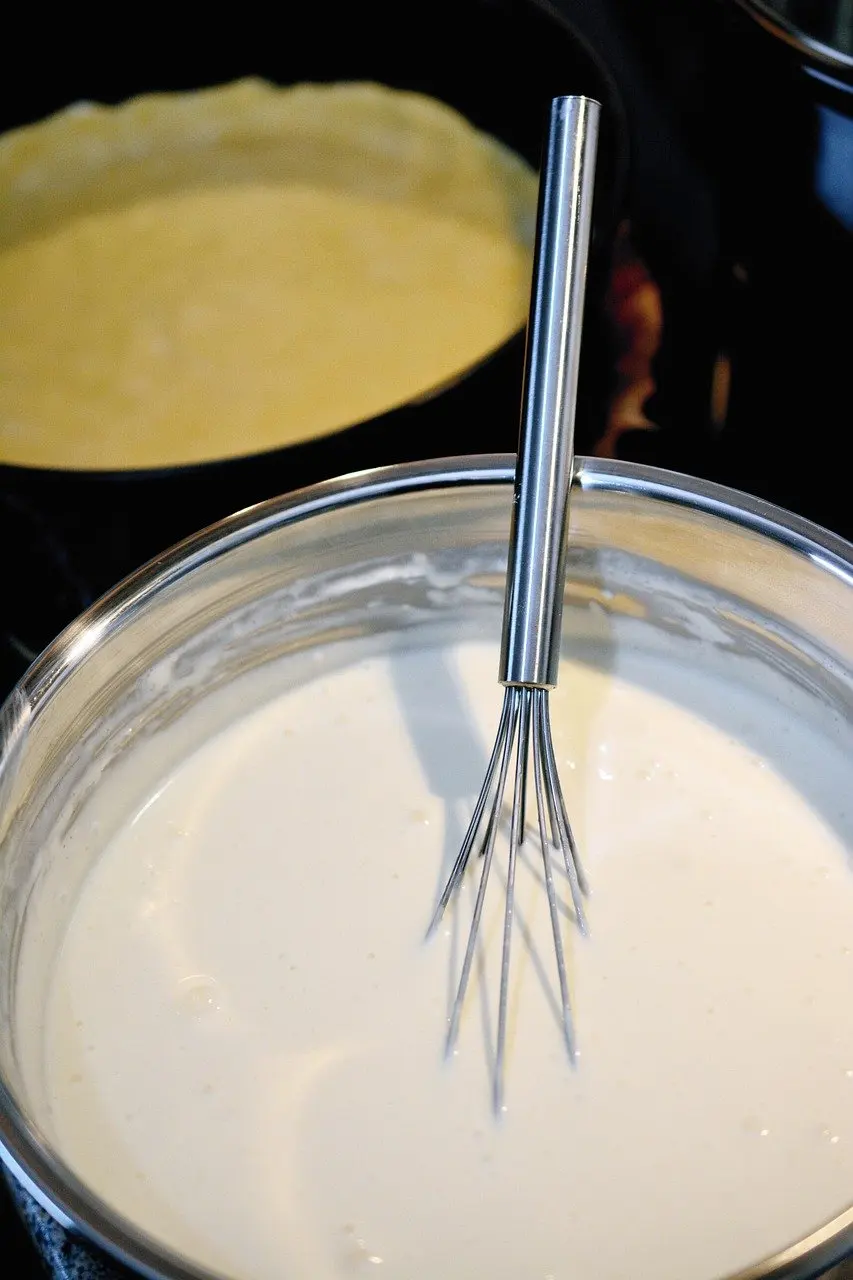
- A balloon whisk: the whisk adds air as it works. Bon Appétit notes that an electric hand mixer on low speed also works.
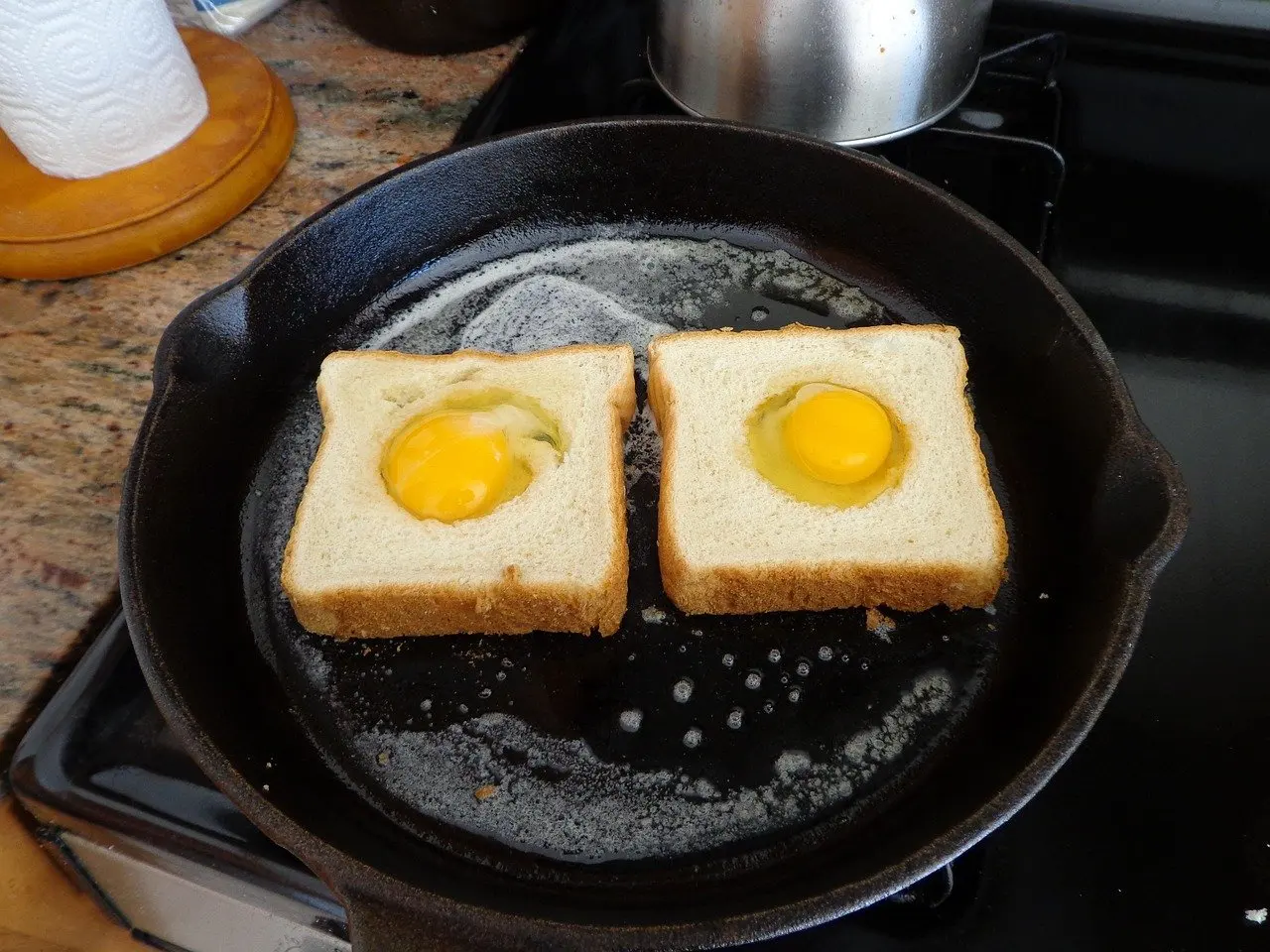
- Very fresh eggs: Adriatic states that the recipe requires very fresh eggs and a bit of whisking skill.
- An instant-read thermometer (optional): it gives a firm doneness check, as explained in Step 4.
Making zabaglione step by step
Step 1: Set up the bain-marie
Pour water into a medium saucepan to come 2 inches up the sides and bring it to a simmer over medium heat, as Bon Appétit directs. The water should be very hot but must not boil, according to Adriatic. Aim for a gentle simmer, then keep the flame low enough that it never turns rolling.
The bowl sits on top of the pan, and Anitaliandish insists that the bottom of the bowl does not contact the water directly. Steam heats the yolks more gently than direct contact with the water would.
Step 2: Whisk the yolks and sugar
Put the yolks in the bowl, add the sugar and set the bowl over the pan. Whisk without stopping. The mixture should slowly lighten and gain volume.
Step 3: Add the Marsala
Adriatic adds the Marsala slowly, after about 3–4 minutes of whisking the yolks and sugar over the water. Pour it in a thin stream while whisking so the base absorbs it evenly. The mixture will loosen briefly, then rebuild into a froth.
Step 4: Whisk to the ribbon stage
Keep whisking until the mixture is lightened in colour, thickened, frothy and about doubled in volume, which Bon Appétit gives as 7–10 minutes. Anitaliandish beats for 10 minutes over the water, and Adriatic also totals about 10 minutes. Treat the clock as a guide and the texture as the deciding test.
Lift the whisk. According to Bon Appétit, the mixture should fall back onto itself in a ribbon that momentarily holds its shape. Adriatic describes the same stage as the whisk leaving a “footprint” in the mixture. If a thermometer is to hand, Anitaliandish heats the mixture to 160 °F (about 71 °C) with an instant-read thermometer, which suits anyone serving the dessert to guests who prefer fully cooked eggs.
Step 5: Serve in cups
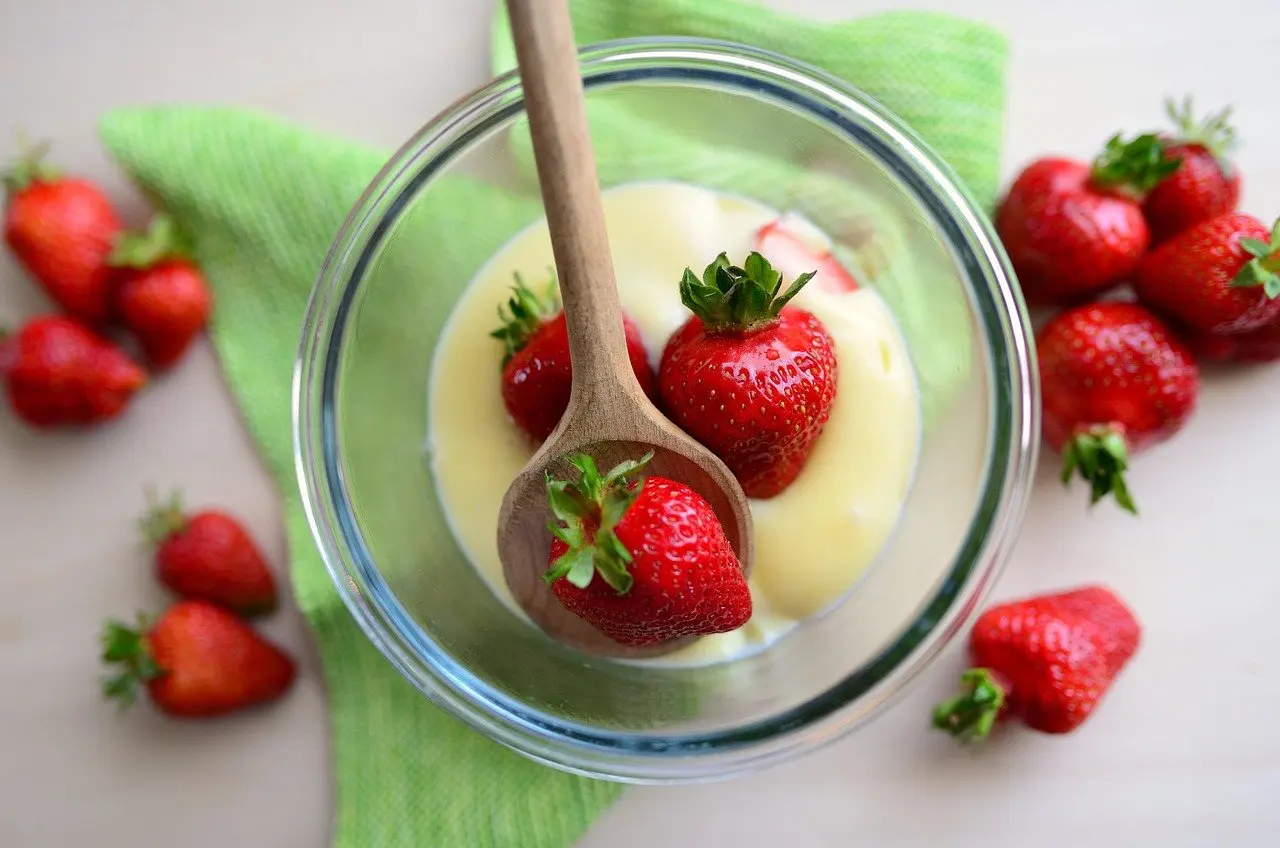
Bon Appétit serves the zabaglione warm in dessert cups with fresh fruit, and Adriatic describes serving it immediately in small cups. Spoon it out as soon as the ribbon stage is reached. The next section covers what to put alongside, and the FAQ explains how to chill it instead.
Serving ideas and pairings
Zabaglione is rich and light at once, so the best partners add texture or freshness. These pairings come from the recipes consulted for this page.
- Fresh fruit: Bon Appétit serves it warm over fresh fruit, and Adriatic specifies seasonal fruit. Anitaliandish chills the fruit in the fridge for about 30 minutes before serving.
- Savoiardi and other biscuits: Bon Appétit pairs it with biscotti, amaretti or savoiardi, and Adriatic’s traditional service is small cups with savoiardi. Choose savoiardi when a dry, crisp spoon for dipping suits the table.
- Espresso or hot chocolate: Adriatic suggests a creamy espresso or hot chocolate alongside, which suits an after-dinner setting.
- A browned top: Anitaliandish finishes zabaglione in ramekins under the broiler for 2–3 minutes. Pick this route for a gratin-style presentation rather than a soft pour.
For a wine-led partner dish, try pears poached in red wine. When a set dessert is preferred to a warm sauce, the layered sponge in our zuppa inglese recipe is the better route.
Troubleshooting curdling and doneness
Curdled or scrambled zabaglione is nearly always a heat problem. Prevention is more reliable than rescue, so check these points before and during the whisking.
- Water that is boiling: Adriatic is clear that the water must be very hot but must not boil. Turn the heat down as soon as the water moves beyond a simmer.
- A bowl touching the water: the bowl should hover above the surface, as Anitaliandish says. If the bowl seems to be running hot, lift it clear of the water for a moment while whisking, then return it.
- Eggs that are not fresh: Adriatic ties the recipe to very fresh eggs, so use the freshest yolks to hand.
- Stopping the whisk: a whisk that pauses lets the yolks sitting against the hot bowl cook first. Keep the motion going and reach the sides.
The table below collects the checkpoints that tell you the zabaglione is on track and finished.
| Checkpoint | What to look for | Planning use |
|---|---|---|
| Water in the pan | 2 inches up the sides, at a simmer | Gives steady heat without a rolling boil |
| Bowl position | Bottom of the bowl does not touch the water | Prevents direct heat on the yolks |
| Whisking time | 7–10 minutes, until about doubled in volume | Use as a guide and judge by texture |
| Ribbon test | Mixture falls back in a ribbon that momentarily holds its shape | Signals the dessert is ready to serve |
| Safety temperature | 160 °F (about 71 °C) on an instant-read thermometer | Extra precaution for unpasteurised eggs |
These checkpoints draw on Bon Appétit for water, time and texture, and on Anitaliandish for bowl position and temperature.
Frequently asked questions
Can I make zabaglione without alcohol or Marsala?
Zabaglione relies on wine for its liquid and flavour, so there is no like-for-like alcohol-free version. The nearest swap for Marsala is a dry sparkling white wine, and Bon Appétit prefers Prosecco, Cava or another dry sparkling white. That is still wine. Avoid sweet sparkling wines, because their high sugar content throws the zabaglione out of balance.
Can I make zabaglione ahead of time?
Yes. Anitaliandish confirms it can be chilled and served cold. To cool it quickly, Bon Appétit sets the bowl of zabaglione inside a larger bowl filled with ice water.
Do I need a copper bowl?
No. Adriatic calls for a stainless steel or copper bowl, so either is fine, as long as it is heatproof and sits above the water without touching it.
Should I use pasteurised eggs?
They are one option. Anitaliandish suggests either buying pasteurised eggs or taking the extra precaution of heating the mixture to 160 °F (about 71 °C).