This torta della nonna recipe builds a shortcrust shell and a lemon-vanilla pastry cream as two separate jobs, then bakes them together under a pine-nut lid. Make both components ahead, cool the cream fully, and bake until the top is golden throughout.
The tart sits among the italian dessert recipes on this site. It suits cooks who like to split a dessert into stages across a few days.
Before you start
The method follows the recipe published by Salt & Wind. The shortcrust and the cream are the two skills that decide whether the tart succeeds, so gather what each needs first.
- Shortcrust ingredients: flour, powdered sugar, baking powder, salt, egg yolks and unsalted butter. The butter adds flavour and flakiness, and the yolks add richness and softness.
- Pastry cream thickener: cornstarch, which helps the filling thicken. Add vanilla for flavour, and lemon zest if you like a brighter filling.
- Pine nuts: the best quality you can buy, ideally from Italy, because they are the main topping and the first thing people notice.
- A deep tin: the source uses an 8-inch cake pan or springform pan, so a tin with real depth suits the double crust better than a shallow flan ring.
- A rimmed baking sheet: it sits on the bottom oven rack to catch drips from the buttery crust.
- Plastic wrap: it is pressed onto the cream while it cools.
Origin and character of the tart
Torta della nonna is a Tuscan dessert. It has a shortbread-style crust, a filling of lemon and vanilla pastry cream, and a topping of nuts and powdered sugar. The name translates as “grandmother’s cake”.
Two Tuscan provinces, Arezzo and Florence, both claim to have created it. The combination of pastry, custard and pine nuts has been around since the 1800s. Because the origin is disputed, treat any single “authentic” version with caution. The shortcrust shell, the cream and the pine nuts are the constants, and the details around them vary from cook to cook.
Method for the tart
Work in this order. The dough and the cream can both be made ahead, so the day you bake is only assembly and oven time.
Step 1: Mix and chill the shortcrust
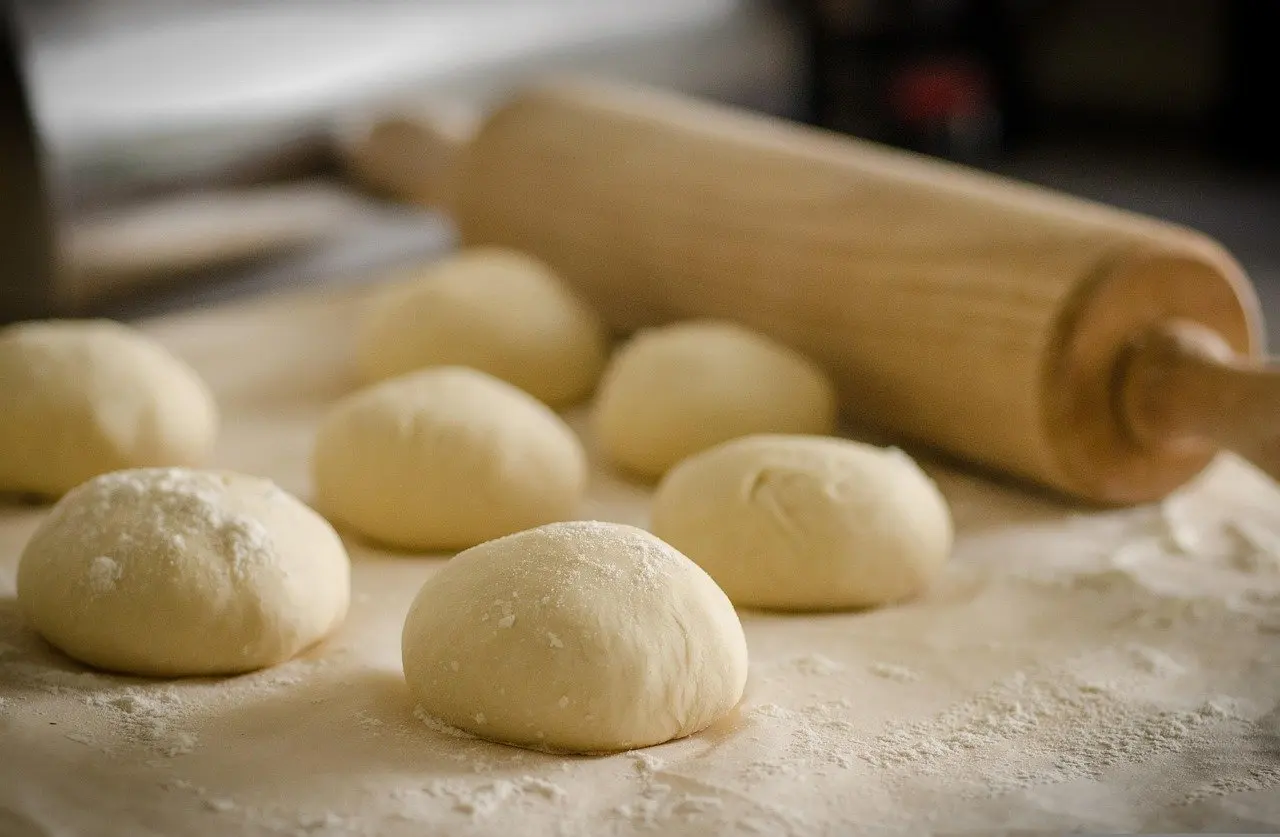
Make the pasta frolla from flour, powdered sugar, baking powder, salt, egg yolks and unsalted butter. Mix only until it forms a dough, then divide it into a larger piece for the base and a smaller piece for the lid. Wrap both and refrigerate for at least 30 minutes and up to 3 days so the dough can relax.
Do not treat this as ordinary pie crust. Salt & Wind notes that it differs from pie crust because baking powder and eggs are added, which is why it behaves more like a soft, tender biscuit than a flaky pastry. A relaxed, cold dough is easier to roll and less likely to shrink away from the tin.
Step 2: Cook the pastry cream
Cook the cream in a saucepan over medium heat, whisking frequently, until it thickens and comes to a boil. Let it boil for 30 seconds to 1 minute. That short boil matters because the cream has to be thick enough to hold its shape once the tart is cut. Flavour it with vanilla and, if you want a brighter filling, lemon zest. Lemon zest does not appear in every version, so it is a matter of taste.
The method here follows a technique Salt & Wind credits to Martha Stewart. The cornstarch is the part that gives the cream its set, so keep whisking until the mixture visibly thickens before you start counting the boil.
Step 3: Cool and chill the cream
Press plastic wrap directly onto the surface of the cream to prevent a skin from forming. Cool it over an ice bath, then leave it to reach room temperature for at least 1 hour. Refrigerate it for at least 30 minutes and up to 3 days before using.
Do not shortcut this stage. Warm cream spread onto raw dough is the most common reason for a tart that slumps or weeps. A cold, set filling is easier to spread and holds its place under the lid.
Step 4: Roll and line the tin
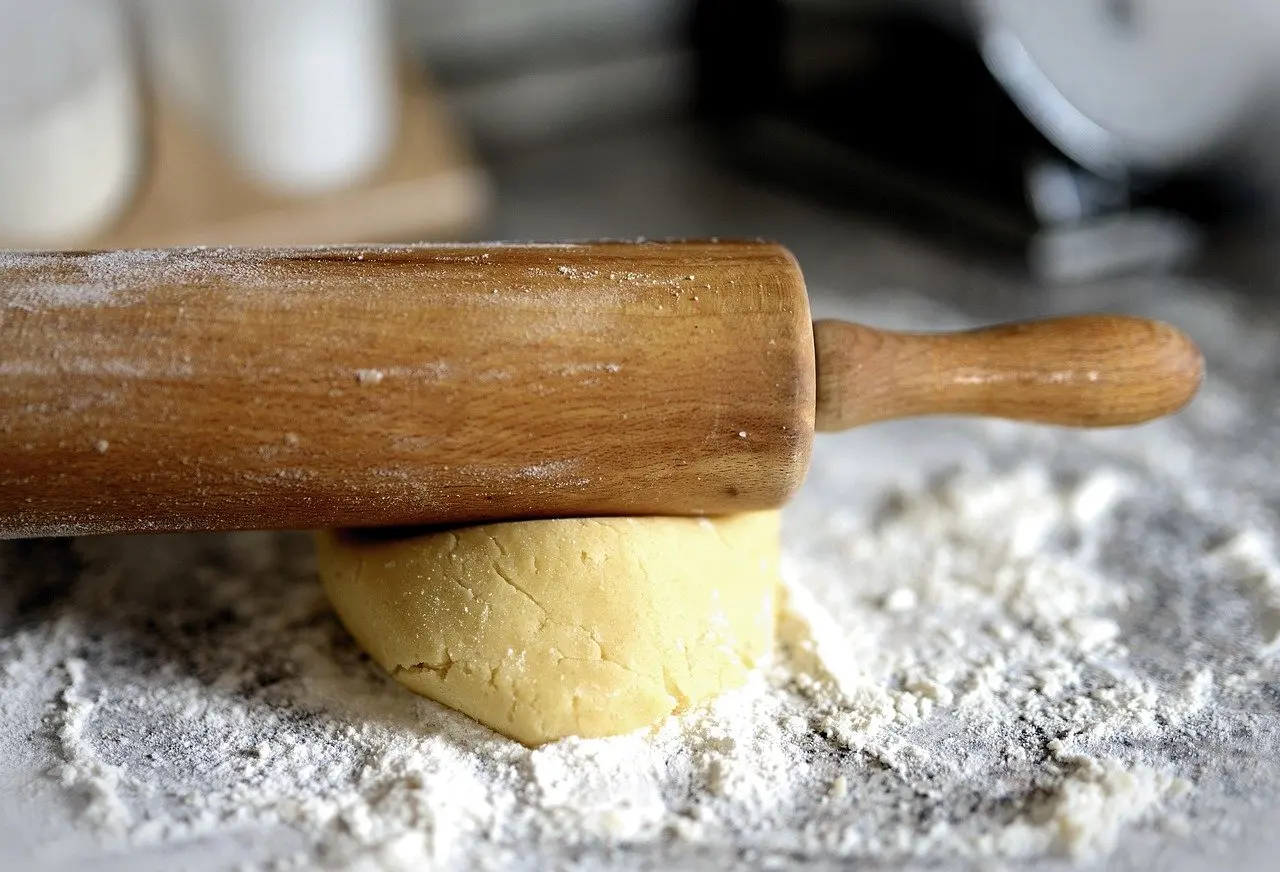
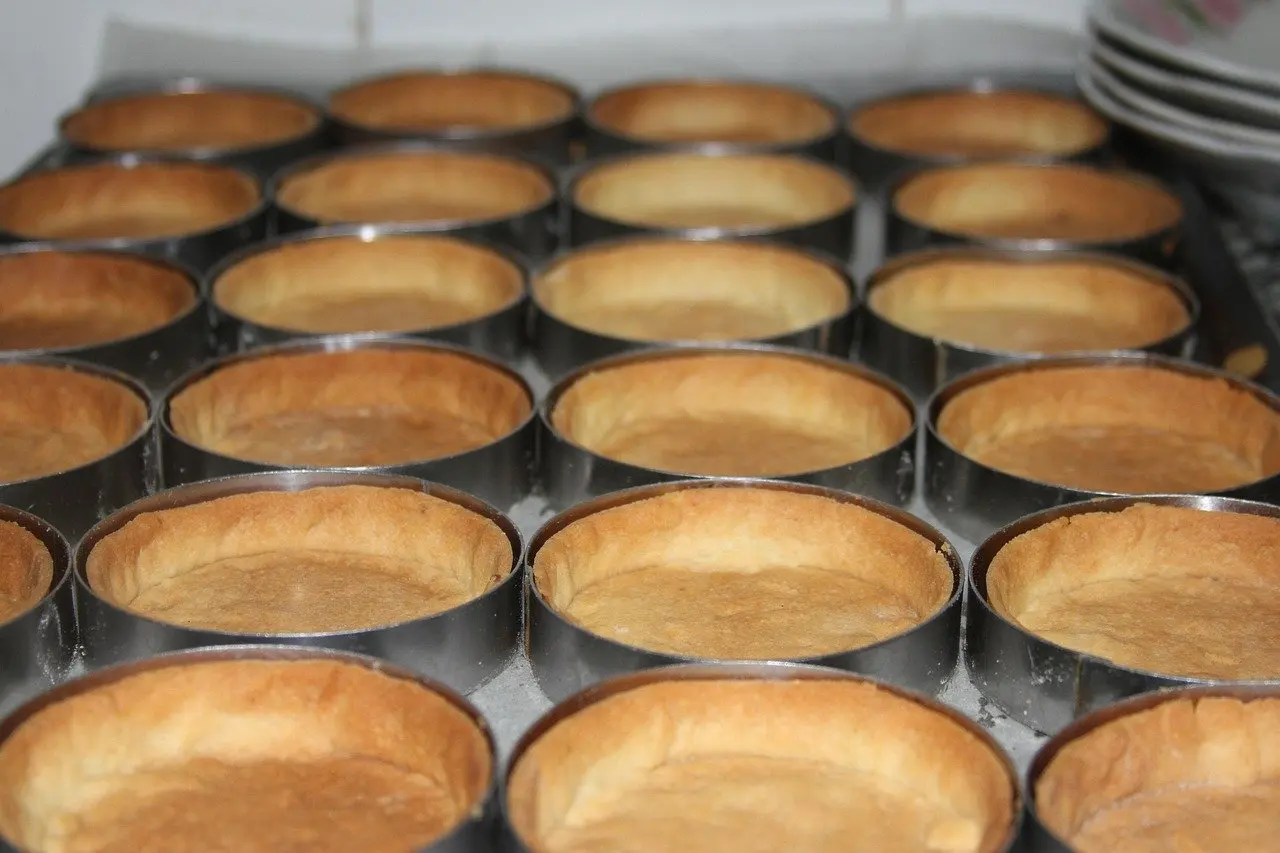
Roll the larger piece of dough to a circle about 11 inches in diameter and fit it into the tin, pressing it into the corners and up the sides. If you are baking later, cover the lined pan and refrigerate or freeze it. Heat the oven to 375°F and put a rimmed baking sheet on the bottom rack.
Step 5: Fill and add the lid
Spread the chilled pastry cream over the base in an even layer. Roll the smaller piece of dough to a 10-inch circle and lay it over the filling. Trim and press the edges together so the lid meets the base. Work quickly, because the dough softens as it warms.
Step 6: Top with pine nuts and bake
Soak the pine nuts in water for 10 minutes, then drain them before scattering them over the lid. Bake at 350°F until the top is golden throughout. Salt & Wind gives no fixed bake time, so judge by colour across the whole surface, not just the centre. Leave the finished tart to cool to room temperature, then dust it with powdered sugar before serving.
Fixing a leaking filling or soggy base
Leaking and sogginess both come from the interaction between the cream and the crust. The recipe has built-in controls for each, and most failures trace back to skipping one of them.
When the custard leaks
Check the cream first. If it was not boiled for the full 30 seconds to 1 minute, the cornstarch may not have thickened it properly. If it went into the tart warm, it will be looser than intended. Cook it until thick, cool it fully and chill it, as in Step 3. A cream that holds a trail from the whisk is a safer sign than one that merely looks creamy.
Check the seal as well. A lid with a gap at the edge gives the filling an exit. Press the edges together firmly and keep the filling level, not heaped against the rim.
When the base turns soggy
The base sits under a wet filling, so keep everything cold going in. Use fully chilled cream, and put a chilled or frozen lined pan into a properly preheated oven. Bake until the top is golden throughout, not just at the edges, so the crust has had time to cook through. Drain the soaked pine nuts before they go on the lid.
When the crust drips
The buttery crust can drip a little as it bakes. The rimmed baking sheet on the bottom rack catches this, so the oven floor stays clean and no smoke builds up. Leave it in place for the whole bake.
Checkpoints at a glance
| Stage | Value or sign | Planning use |
|---|---|---|
| Dough rest | At least 30 minutes, up to 3 days in the fridge | Make the dough ahead and bake when convenient. |
| Base circle | About 11 inches across | Roll the larger piece to this size so it reaches the sides of the tin. |
| Lid circle | 10 inches across | Roll the smaller piece slightly under the base size. |
| Cream boil | Medium heat, boiled 30 seconds to 1 minute | Do not stop short, or the filling may stay loose. |
| Cream cooling | At least 1 hour at room temperature, then chilled at least 30 minutes | Only fill the tart with cold, set cream. |
| Nuts | Soaked 10 minutes, then drained | Soak before scattering them on the lid. |
| Oven | Preheat to 375°F, bake at 350°F until golden throughout | Judge doneness by the colour of the whole top. |
These figures come from the Salt & Wind torta della nonna recipe, which uses an 8-inch cake or springform pan.
Making ahead and storing
This is a good tart to spread over several days. Salt & Wind says the dough and the pastry cream can both be made up to 3 days ahead, with assembly and baking left for the day you serve it. The lined pan can also be covered and refrigerated or frozen before filling.
Keep the cream covered with film touching its surface in the fridge until needed. The baked tart cools to room temperature before it is dusted with powdered sugar.
If you enjoy the nutty side of this tart, the torta di nocciole recipe is a natural next bake. For a lighter, citrus-led cake, try the torta al limone.
Frequently asked questions
Can I use ordinary pie crust instead of shortcrust?
It is not the same thing. The pasta frolla used here contains baking powder and eggs, which pie crust does not, so it bakes softer and richer.
Is ricotta part of the filling?
Some versions add it. If you do, choose a high-quality basket ricotta.
When should the tart be served?
Serve it once it has cooled to room temperature, dusted with powdered sugar. Cutting it while still warm risks a loose filling.