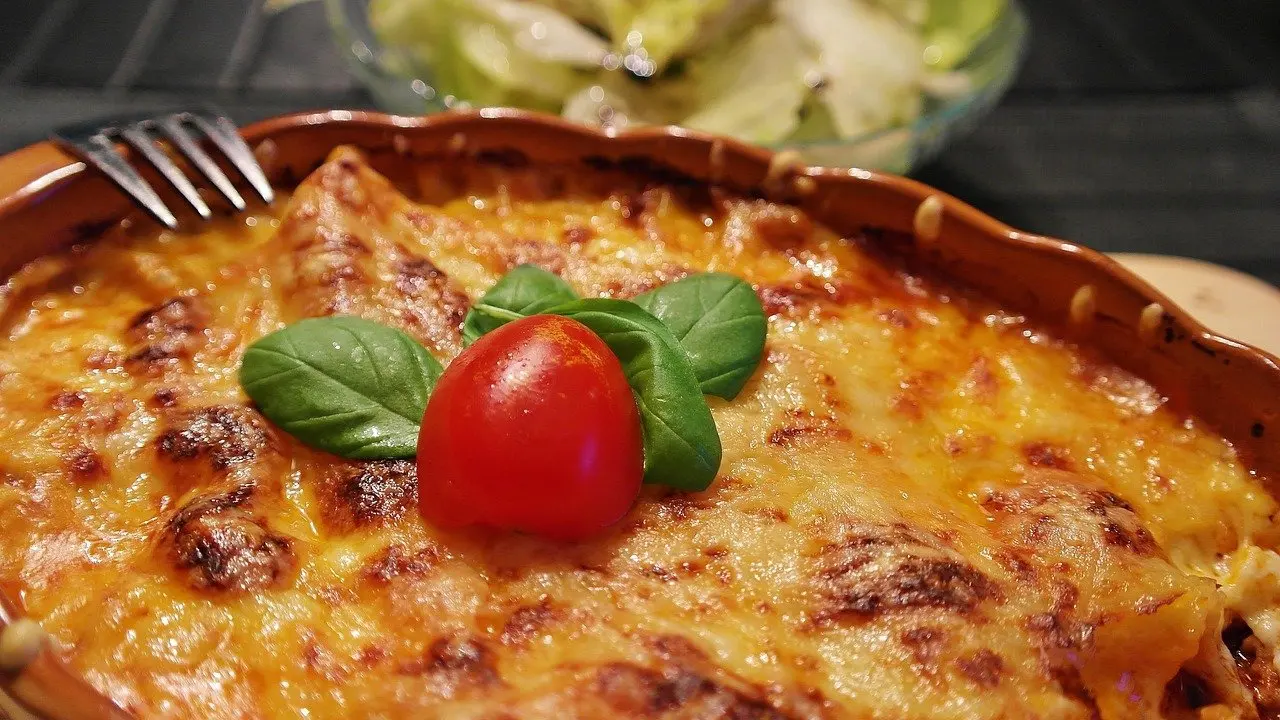
A cold evening and no plan: italian comfort food recipes are easiest to choose by effort. Pick baked lasagne when dinner must be made ahead, ragù or braised beef for a slow weekend, and minestrone for a short evening.
This list belongs with the wider collection of italian home cooking recipes. Dishes shaped by thrift have their own page of cucina povera recipes. Here the dishes are sorted by how much work they demand and how well they can be prepared in advance.
How these comfort dishes are grouped
Italian comfort food is warm, filling and built around a sauce or a long simmer. The Country Cook describes baked lasagna as classic, comforting and flavorful food. A Review-Journal feature presents Tuscan lasagna as a hearty dish to warm up the table for the season. Lasagne, baked pasta, ragù and béchamel make up most of the list below, with slow braises and a soup added for the cooks who want a lighter evening.
Three questions sort the options quickly:
- Effort at the stove. Lasagne asks for a sauce, a béchamel and careful layering. Soup asks for far less assembly.
- Hands-off time. Braised dishes and ragù reward a long afternoon at home, then need little attention.
- Make-ahead potential. Layered baked pasta can be assembled early and finished in the oven, which suits a busy week.
Lasagne routes compared
Two lasagne styles cover most baked-pasta cravings. The first is a straightforward American-Italian meat lasagna. The second is a Tuscan-style al forno with béchamel and a hotter finish.
| Style | Oven | Bake sequence | Time and yield | Planning use |
|---|---|---|---|---|
| Baked lasagna with meat sauce | 375°F | 25 minutes covered with foil until bubbly, then about 5 minutes uncovered to melt the cheese | 20 minutes prep, 40 minutes cook, 1 hour total, 9 servings | Suits a family table or a batch for the freezer when the schedule is predictable |
| Tuscan lasagna al forno | 350°F, then 400°F | 15-20 minutes covered until the sides bubble, then about 10 minutes uncovered at 400°F | 5-6 layers of sugo and béchamel, rested about 10 minutes before slicing | Suits a weekend dinner where a richer, browned top is worth the extra sauce work |
Figures come from The Country Cook’s baked lasagna recipe and the Review-Journal’s Tuscan lasagna recipe.
Baked pasta and lasagne
Baked pasta is the most dependable make-ahead comfort dish because the work is front-loaded and the oven does the rest. Lasagne is the benchmark. Other baked-pasta casseroles follow the same logic of sauce, cheese and a covered then uncovered bake.
Classic baked lasagne
The Country Cook’s recipe preheats the oven to 375°F and calls for 16 ounces (1 lb) of lasagna noodles. The dish bakes covered with foil for 25 minutes until bubbly, then uncovered for about 5 minutes. The recipe lists 20 minutes of prep and 40 minutes of cook time, which makes it a realistic choice for a weeknight if the sauce is already made.
It suits cooks feeding a crowd, since the recipe yields 9 servings. The limitation is the layering itself. Anyone short on time should make the sauce on an earlier day and assemble on the evening.
Tuscan-style lasagne al forno
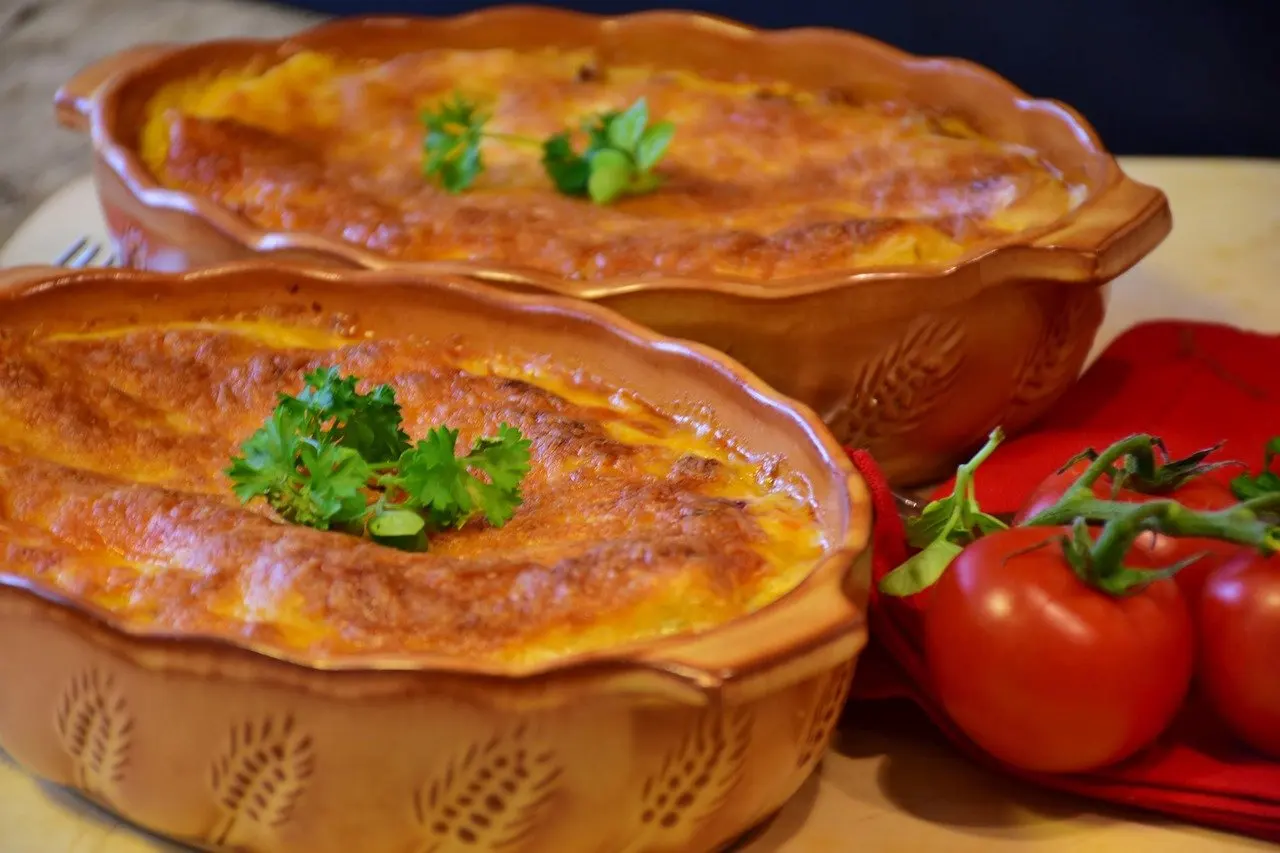
The Review-Journal recipe starts at 350°F and covers the dish with foil for about 15-20 minutes or until the sides are bubbly. It then raises the heat to 400°F for about 10 minutes to brown the top. The layers are buttery pasta sheets, béchamel, parmesan, pecorino and a Bolognese-style sugo, repeated until there are 5-6 layers.
This version suits cooks who like a creamier, more deeply browned result and do not mind two sauces. It is the less forgiving option for a rushed evening, because each sauce needs attention before assembly.
Ragù and béchamel: the sauces that carry lasagne
A good lasagne depends on two sauces being the right consistency. Ragù brings the savoury depth, and béchamel binds the layers.
The Review-Journal’s sugo uses 3/4 to 1 lb of ground beef or Italian sausage, 1/2 cup of Chianti and 2-3 cups of tomato sauce. Its béchamel starts with 6 tablespoons of butter, 6 tablespoons of flour and 3 cups of warm whole milk. The recipe also notes that this béchamel, which it calls a white ragu, should be thicker than one meant for tossing with pasta. A thin sauce would run between the layers rather than hold them.
For the tomato element, a batch of homemade italian tomato sauce makes a sound base and can be prepared separately.
Slow-cooked dishes for long weekends
Italian slow cooked dishes trade attention for time. Once the pot is on, most of the work is waiting, so these dishes suit a cold afternoon at home rather than a tight schedule.
Braised beef
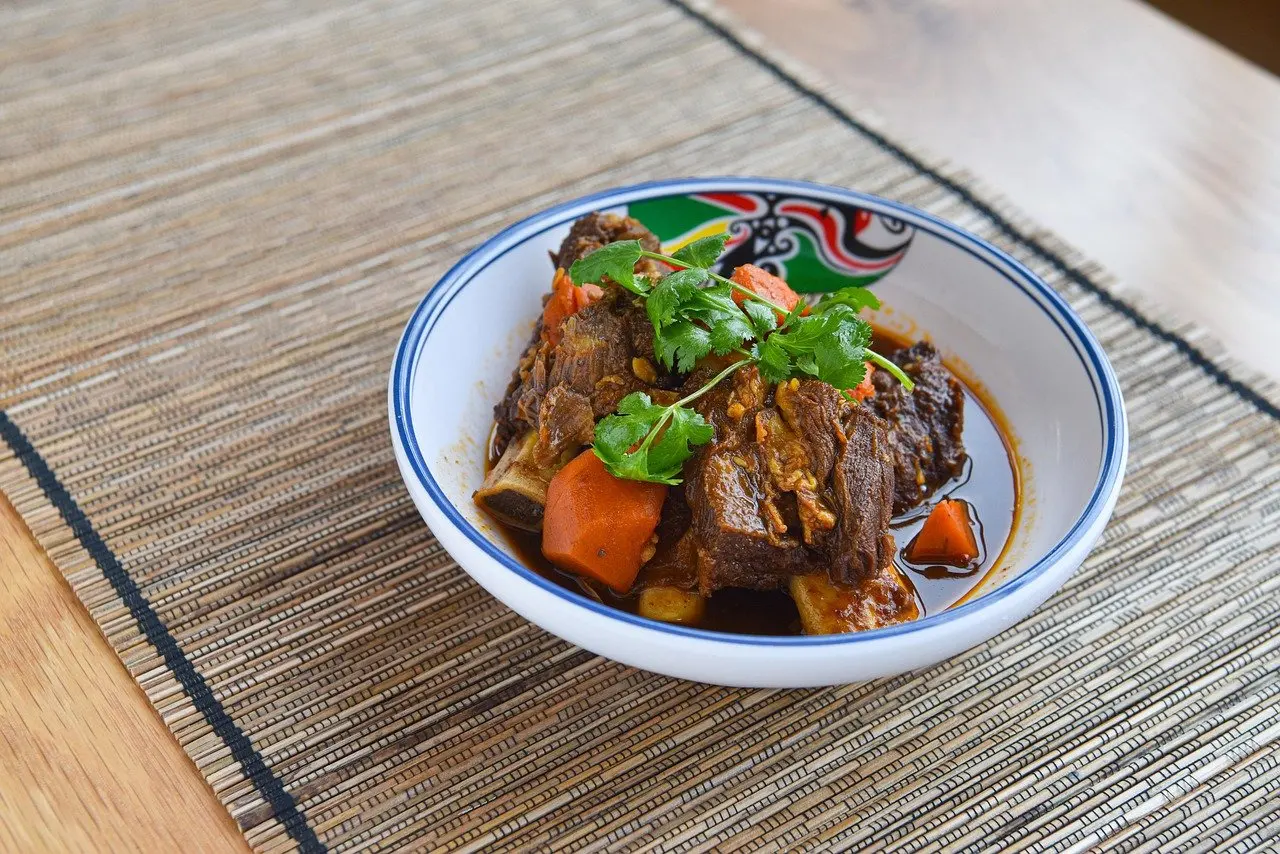
Braised beef in a dark, glossy liquid is the plainest example. It suits cooks who want a single pot and plenty of sauce to mop up with bread or serve over a soft starch. Plan it for a day when the oven or hob can run unattended. It is a poor fit for a weeknight, because the long cooking cannot be rushed without losing tenderness.
Polenta with ragù
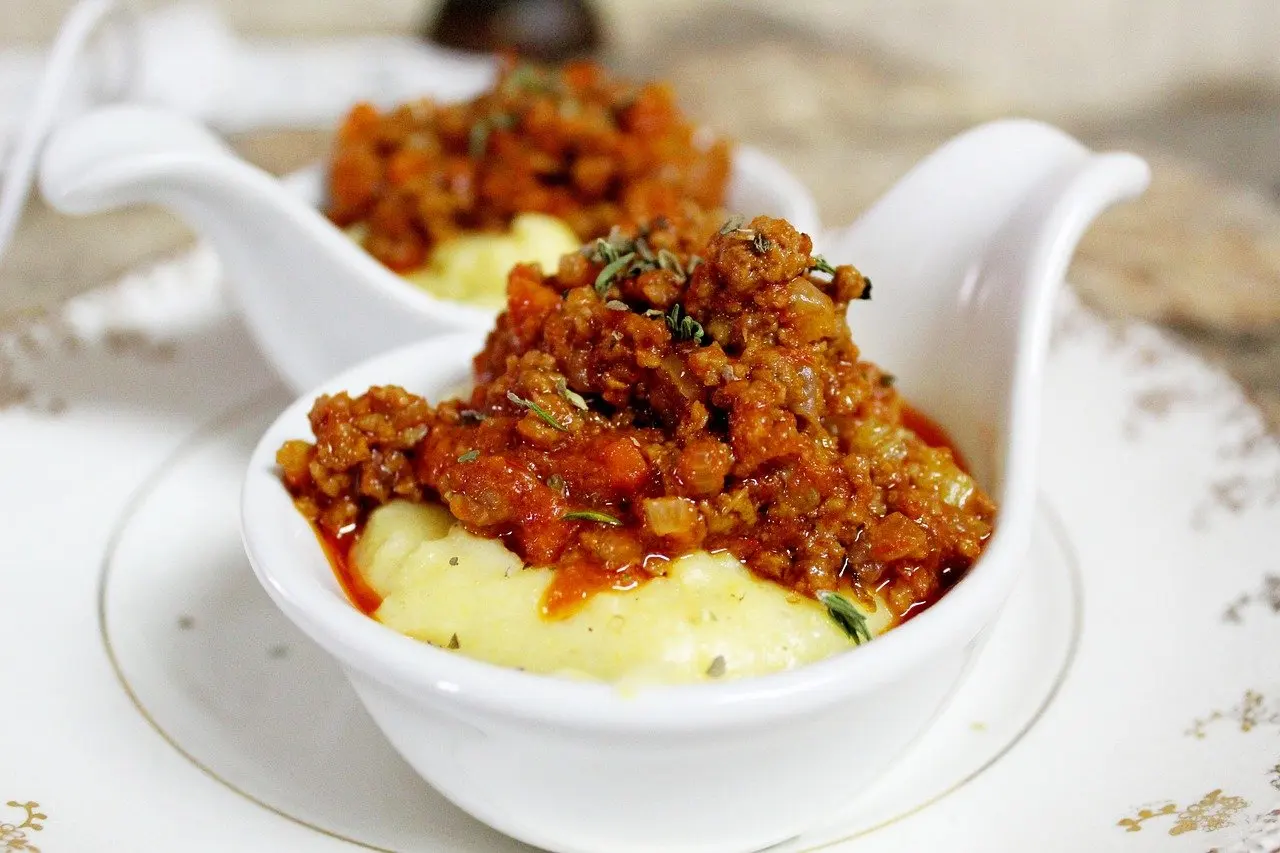
Ragù does not have to end up between pasta sheets. Spooned over soft polenta, it becomes a winter bowl that needs no oven at all. The meat sauce is the long part, and the polenta is the short one. This pairing suits households that want a cozy Italian dinner without the layering work of lasagne.
Thrift-minded cooks looking for further slow-simmered ideas will find more in the cucina povera recipes.
Minestrone and other quick bowls
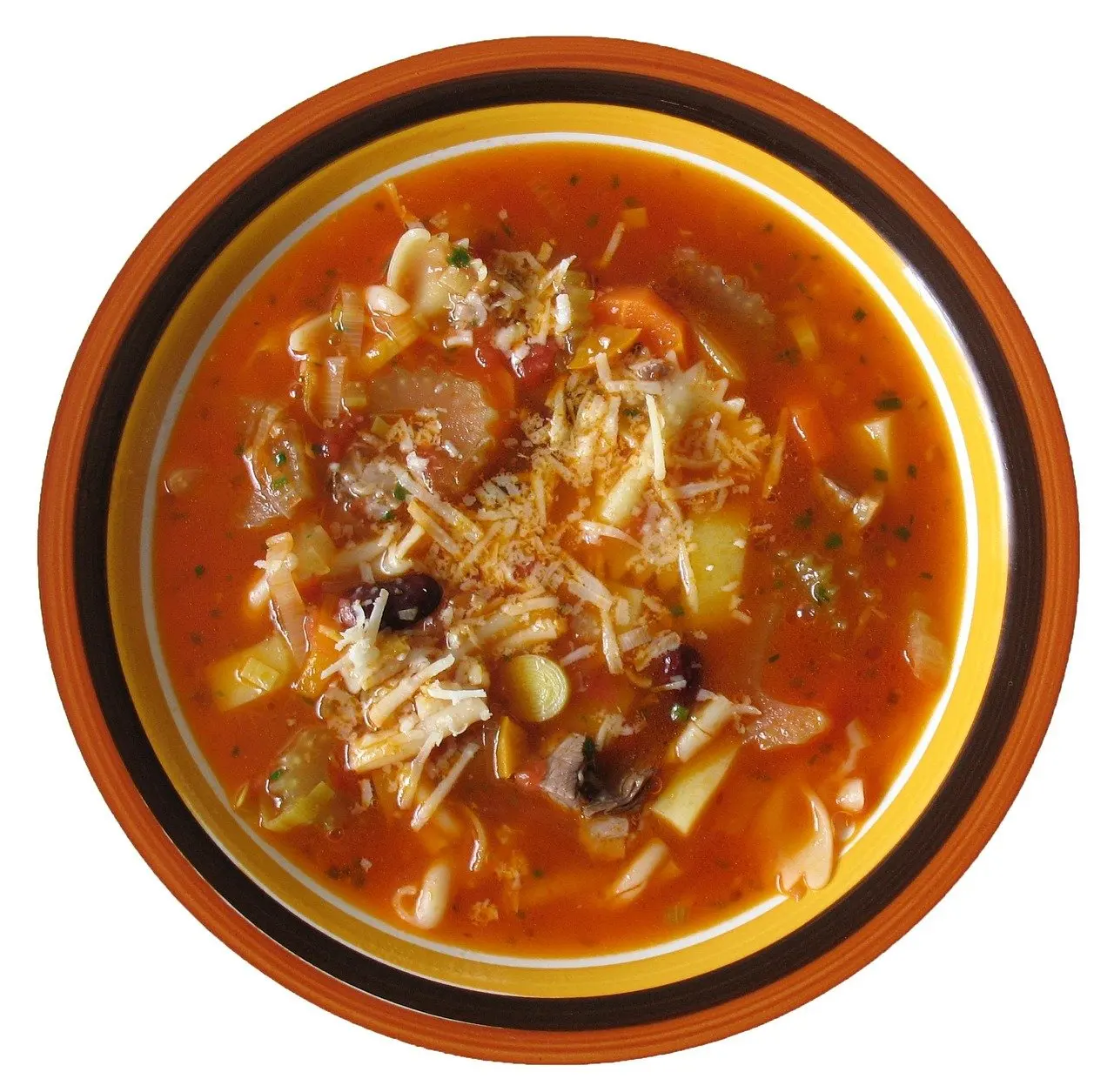
Minestrone is the lightest effort on this list. A tomato-based soup of pasta, beans and diced vegetables, finished with grated cheese, turns pantry staples into a full meal. It suits weeknights, cooks who prefer a vegetable-led dinner and anyone who wants comfort without an oven.
It is the weakest choice when the aim is a rich, centrepiece dish for guests. Choose lasagne or a braise instead for that. For everyday cozy Italian dinners, a pot of soup with a bowl of cheese on the table is hard to beat for the effort involved.
Make-ahead, storing and reheating
Lasagne is the strongest make-ahead dish here, and The Country Cook gives clear storage windows. Baked lasagna lasts up to 3-5 days in the refrigerator and up to 3 months in the freezer.
Freezing before or after baking
Both routes work. An assembled but unbaked lasagna can be frozen for up to 3 months. It is then thawed overnight in the refrigerator and baked according to the recipe directions. Freezing unbaked suits cooks who want a fresh-from-the-oven dinner. Freezing after baking suits those who want a ready portion with no oven time.
Reheating
To reheat frozen baked lasagna, the same source says to place it in the refrigerator overnight and then reheat it in the microwave until heated through. Planning the thaw the evening before is the main requirement. Ragù, braises and soup are also dishes to cook in a batch, though the pack’s storage figures apply specifically to lasagne.
Decision checklist
- Count your hands-on time. Under an hour of attention points to minestrone or a lasagne assembled from a ready sauce.
- Decide whether the oven is free. Baked lasagne needs it, while polenta with ragù and soup do not.
- Check the week ahead. If dinner must be ready later, assemble lasagne and freeze it unbaked, or bake it and store portions.
- Match richness to the occasion. Choose the Tuscan-style al forno or a braise for guests, and the classic baked lasagna for a family table.
- Prepare the sauce base first. Make the tomato sauce or ragù a day early to split the work.
Frequently asked questions
Which Italian dishes count as comfort food?
Lasagne, other baked pasta, ragù-based dishes, slow braises, polenta with sauce and hearty soups such as minestrone all fit. They share warmth, richness and a satisfying, filling character.
Can Italian sausage replace ground beef in lasagne?
Yes. The Country Cook says Italian sausage, or a mixture of beef and sausage, works in place of ground beef. The Review-Journal’s sugo also allows ground beef or Italian sausage.
What changes with oven-ready lasagna noodles?
The Country Cook advises adding about 1/2 cup of water to the sauce mixture before layering, so the dry noodles have moisture to absorb.
How long should lasagne rest before slicing?
The Country Cook suggests about 15 minutes to cool slightly. The Review-Journal recipe says about 10 minutes. A rest helps the layers hold together when cut.