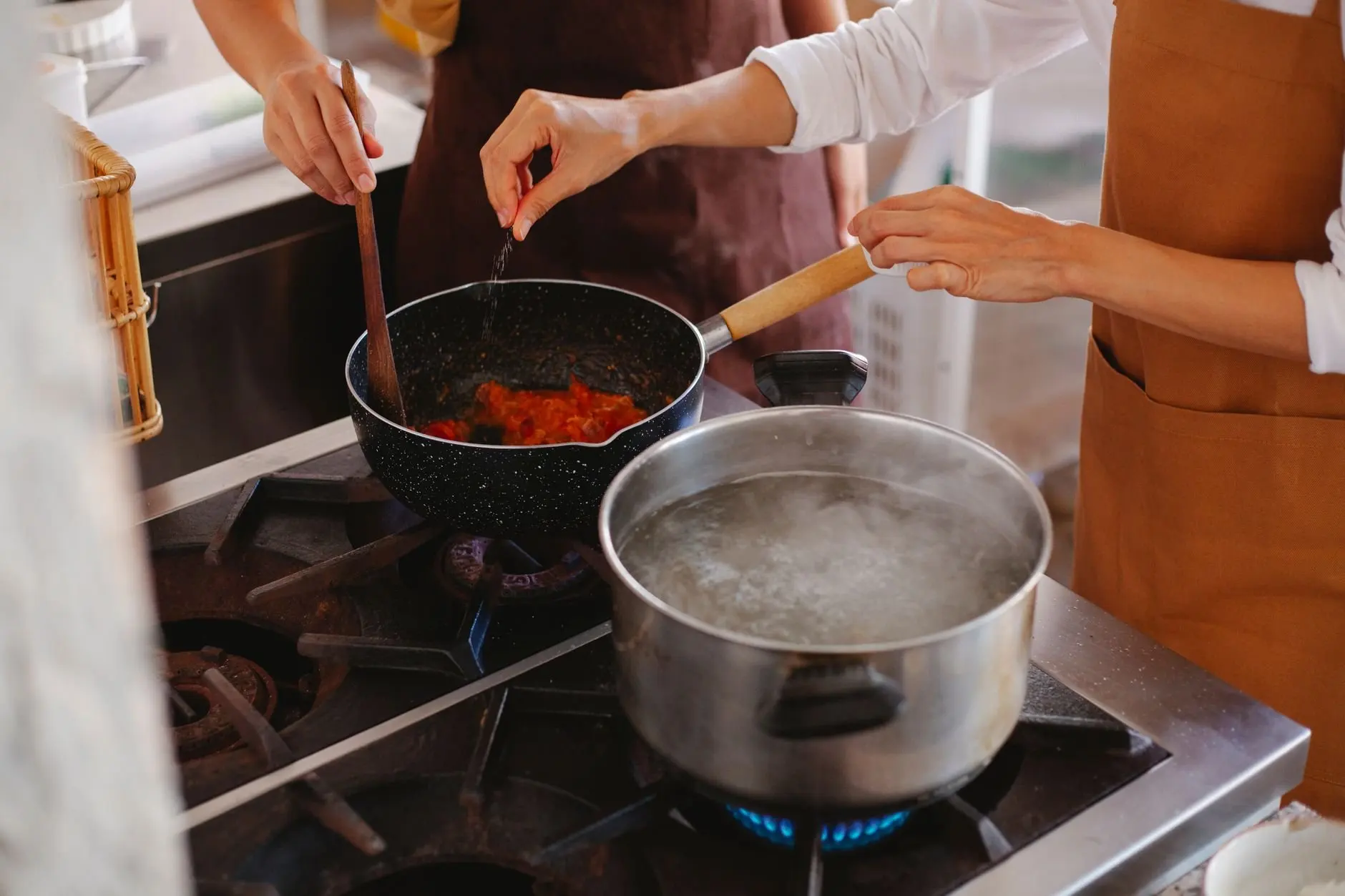
Tomatoes, a single pot and a wooden spoon are enough for homemade Italian tomato sauce, provided the tomatoes are meaty and the sauce is reduced until it no longer looks watery.
Quick answer: Use canned whole peeled tomatoes or ripe plum tomatoes, soften garlic in olive oil, add the tomatoes and simmer. Canned tomatoes need about 15 to 20 minutes in the recipes from Cooking with Ayeh and Coley Cooks. Fresh tomatoes need a pre-cook first. Add basil last.
This method is a plain base sauce with no variations, so the texture is easy to judge at each stage. It sits within the wider collection of italian home cooking recipes. Each section below moves from the simplest choice to the next step up, and says when to stop.
Choosing the tomatoes
Plum tomatoes are the dependable choice, and canned whole peeled tomatoes are the simplest way to use them. The tomato decides how much work the rest of the method needs, so choose before anything goes in the pot.
Canned whole peeled tomatoes
Coley Cooks points out that canned whole peeled tomatoes are available year-round and have a consistent flavour and texture. That makes them the best starting point for a cook who wants the same sauce every time, and for any season when fresh tomatoes are not at their best. The sugo recipe from Cooking with Ayeh is built on a 28 oz / 800 g tin of peeled whole tomatoes, which is a useful size to plan the pot around.
Fresh plum tomatoes and San Marzano
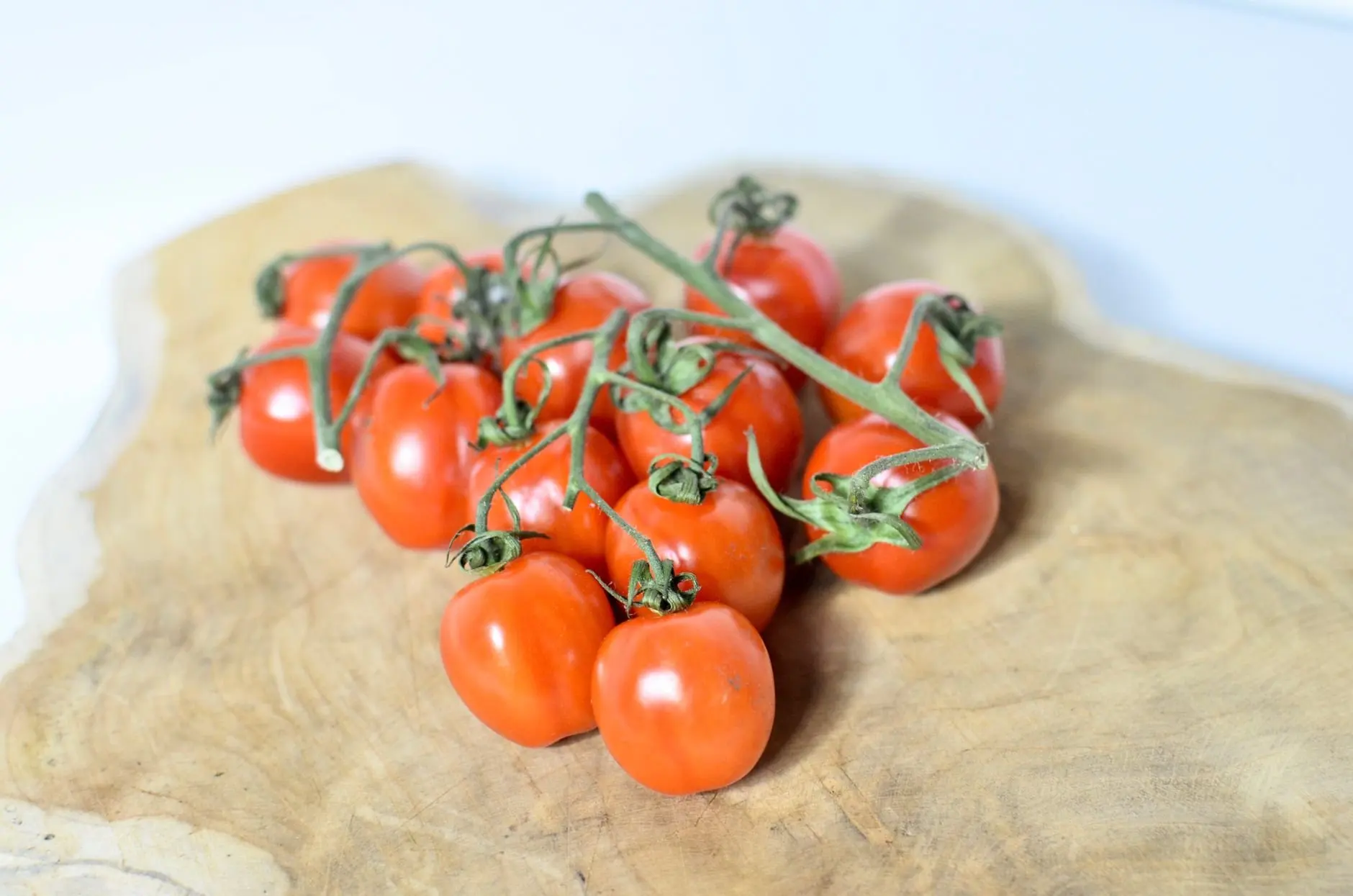
Fresh tomatoes suit the cook who has ripe ones to use and does not mind the extra preparation. Cooking with Ayeh advises good quality Roma (plum) tomatoes for sugo and says San Marzano tomatoes are even better if you can buy them. Recipes from Italy explains why: San Marzano and other meaty plum tomatoes have plenty of pulp and relatively little water. A pulpy tomato means less liquid to cook off, so the sauce reaches a thick texture with less waiting.
Cherry and grape tomatoes
Recipes from Italy notes that cherry and grape tomatoes can be used, but they give a sweeter sauce and bring more skins and seeds. They suit a cook who wants a sweeter result and is willing to strain the sauce afterwards. For a classic savoury base, plum tomatoes remain the better pick.
Preparing fresh tomatoes
Canned whole peeled tomatoes are already peeled, so this step applies only to fresh tomatoes. With fresh ones, the answer to whether you need to peel and seed is yes to removing skins and seeds, though not necessarily by the same method.
Recipes from Italy removes the seeds and the very watery inner part of each tomato with a small knife or spoon before cooking. The cooked tomatoes are then passed through a food mill or tomato strainer, which removes the skins and seeds. Seeding first means the pot starts with pulp rather than juice. Milling afterwards means no skin needs peeling by hand.
Skipping the food mill is possible only if you accept visible skins in the finished sauce. Tomatoes with more skins and seeds, such as cherry and grape types, make the mill step more worthwhile.
Starting the base in the pot
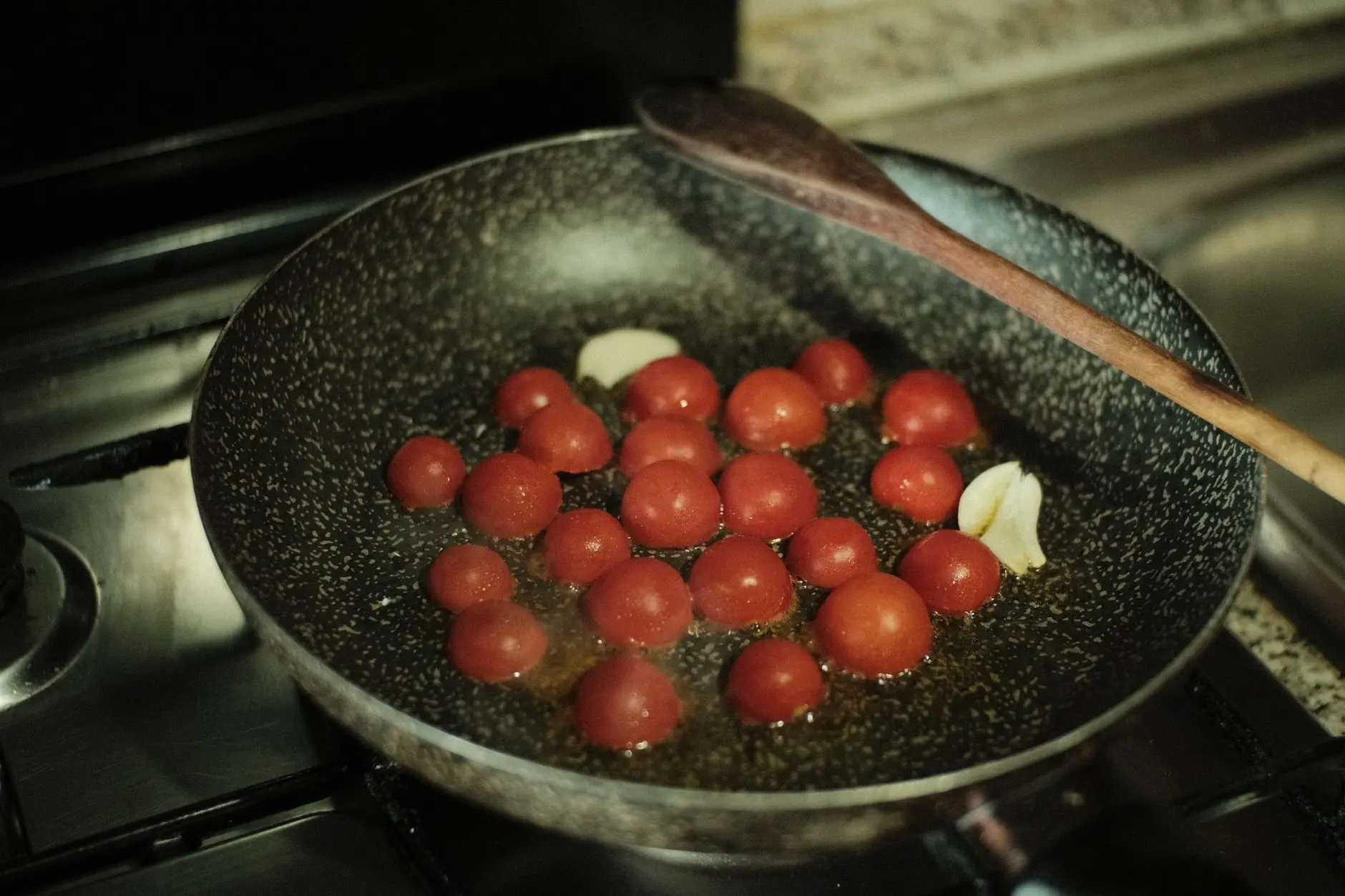
The base is garlic softened in olive oil, and the checkpoint is fragrance rather than colour. Use a wide pan or saucepan so the tomatoes have room to reduce later.
- Watch for fragrance. In Coley Cooks’ marinara, garlic cooks for 1-2 minutes until fragrant, after an onion base. Treat that as the signal to add the tomatoes.
- Add the tomatoes. Move straight on to the simmer.
Quantities of oil vary between cooks. Pasta et al advises good quality extra-virgin olive oil, and lots of it. Cooking with Ayeh uses a modest spoonful for the whole tin. A cook who prefers a leaner sauce can follow the smaller amount, and one who wants a richer sauce can use more. Quality matters either way, because the oil flavour stays in the finished sauce.
Simmering until the texture is right
Simmer time depends on the tomato you start with, and the lid decides how thick the sauce becomes. Canned whole tomatoes need the shortest cook. Fresh tomatoes need a pre-cook to soften them and then a second, looser simmer to reduce.
| Tomato | Stage and heat | Time | Planning use |
|---|---|---|---|
| Canned whole peeled | Lid on, low-medium heat | 15 minutes, then 5 minutes more | The shortest route to a finished base; check the texture at the end of the extra minutes. |
| Fresh, seeded | Pre-cook over low heat, lid on, no added water, stirring occasionally until soft | About 20 minutes | Softens the tomatoes before they are milled. |
| Fresh, milled | Medium-low heat, uncovered or lid ajar, stirring occasionally | About 15 minutes | Reduces the sauce; extend only if it still looks loose. |
Times for canned tomatoes come from the Cooking with Ayeh sugo recipe, and times for fresh tomatoes from Recipes from Italy.
Lid on: the tomatoes soften
Keep the lid on at the start so the tomatoes soften without the liquid disappearing. Coley Cooks covers the pot and simmers for 20 minutes after the onion and garlic base. Pasta et al cooks tinned tomatoes at a medium boil for around 20 minutes, stirring frequently. Both land close to the shorter Cooking with Ayeh time. A harder boil is the reason to stir often, while a gentle simmer can be left longer between stirs.
Lid ajar: the sauce thickens
Recipes from Italy cooks the sauce uncovered or with the lid slightly ajar so that some of the excess moisture can evaporate. This is the main control over texture. A sauce that still looks thin and runs off the spoon needs more time with the lid off or ajar. A sauce that already clings to the spoon needs no more time.
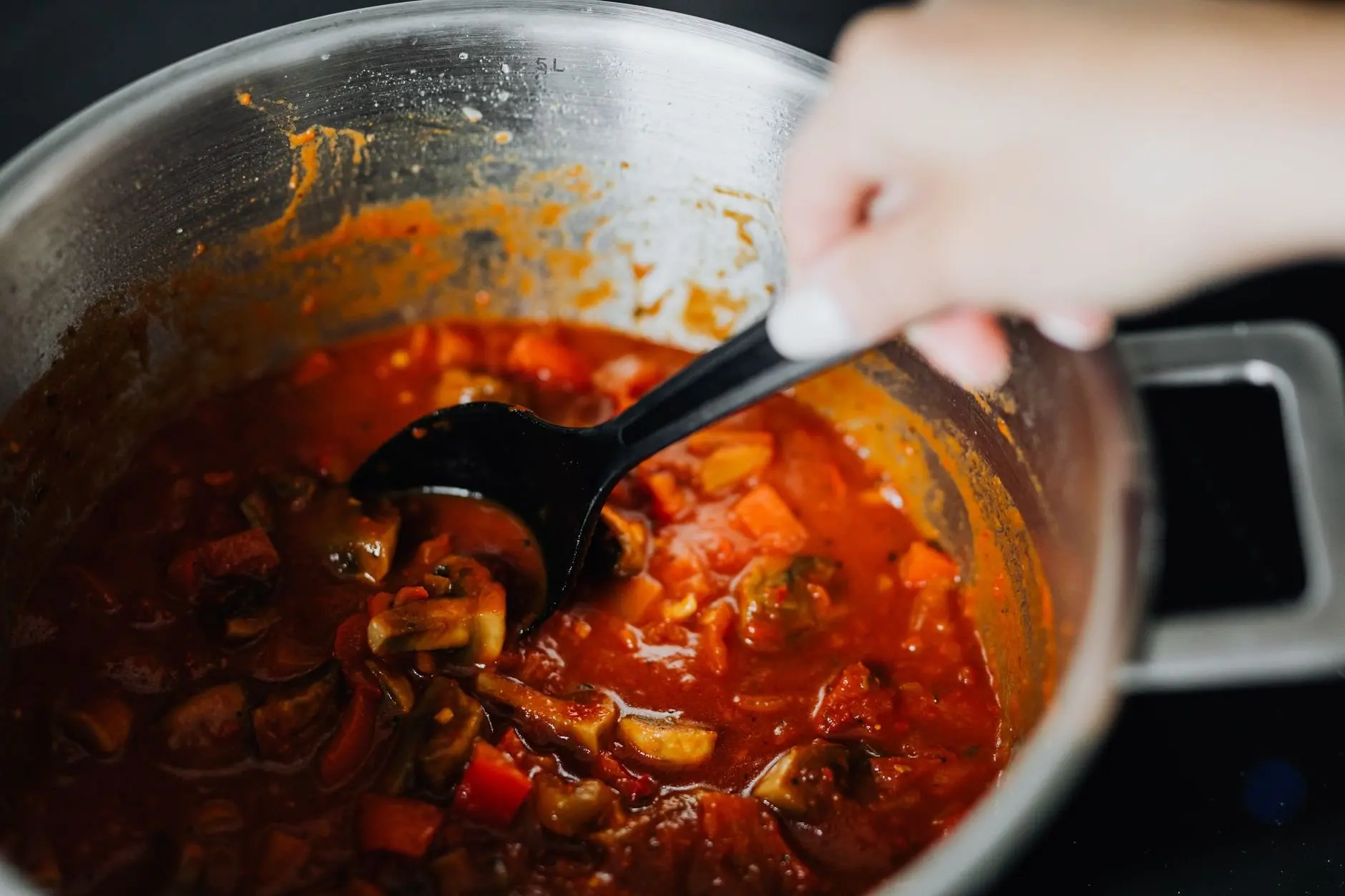
When to stop
Stop when the tomato pieces have broken down and the sauce holds on the spoon instead of running off it. Cooking longer than the recipe times is a choice for thickness, not a requirement. The times above are recipe figures, and the spoon is the final test.
Finishing with basil and balance
Basil goes in at the end, and acidity is fixed with the smallest possible adjustment. Taste first, then adjust once.
- Taste the sauce. Judge the acidity only after the sauce has reduced, because the flavour changes as it thickens.
- Add a small pinch of sugar if it tastes too acidic or bitter. Coley Cooks suggests this directly. Recipes from Italy adds that sugar does not reduce the acidity of tomatoes, but a small pinch can help balance the flavour.
- Taste again and stop. The pinch balances; it does not remove acidity. If the sauce still tastes sharp, the better fix is a different tomato next time, such as the meaty plum type, not more sugar.
- Add the basil. Cooking with Ayeh adds about 8 large leaves towards the end of the simmering. Recipes from Italy turns off the heat and then adds the fresh basil leaves. Either way, basil goes in late.
For a sauce that will be reheated, adding basil off the heat leaves the leaves for the final warm-up. Both sources agree the basil should not cook for long.
Storing the sauce
Cooled sauce keeps in an airtight container in the fridge for several days, and it freezes for longer. The shorter fridge figure applies to sauce made from fresh tomatoes.
- Fridge, canned-tomato sugo. Cooking with Ayeh stores leftovers in the fridge for up to 5 days.
- Fridge, fresh-tomato sauce. Recipes from Italy gives up to 3 to 4 days in an airtight container.
- Freezer. Cooking with Ayeh says the sugo keeps in the freezer for up to 3 months.
- Containers. Coley Cooks lists mason jars for storing the sauce, and glass jars suit that job.
These figures are ceilings, not targets. If a batch is unlikely to be finished within the fridge window, freeze it instead of keeping it at the limit. Use the shorter fridge time whenever the sauce began as fresh tomatoes.
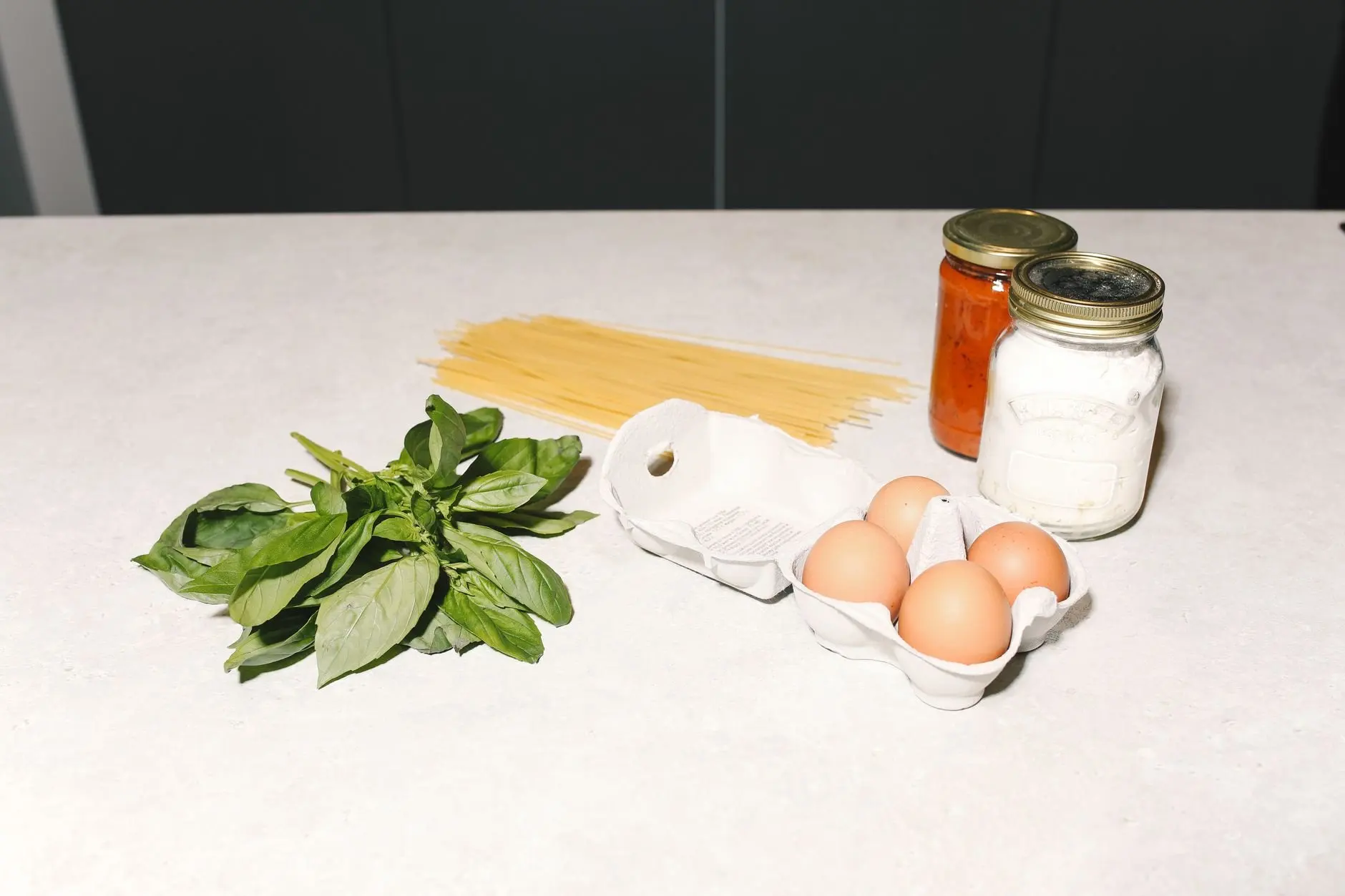
A jar of base sauce is useful across many dishes. For more ideas in the same spirit, browse the italian comfort food recipes, or pair it with a baked tortino di patate.
Frequently asked questions
Is passata the same as homemade tomato sauce?
No. According to Recipes from Italy, passata is essentially pure strained tomato, while tomato sauce is seasoned and cooked.
Can passata replace canned whole tomatoes?
Yes, as long as the passata has no other ingredients or additives, according to Cooking with Ayeh. It then still needs the garlic and oil base and a simmer to become a sauce.
Does the sauce need water?
Sometimes. Coley Cooks adds about ½ to 1 cup of water, depending on the consistency of the tomatoes. Thicker tinned tomatoes take more, and juicier ones take less.