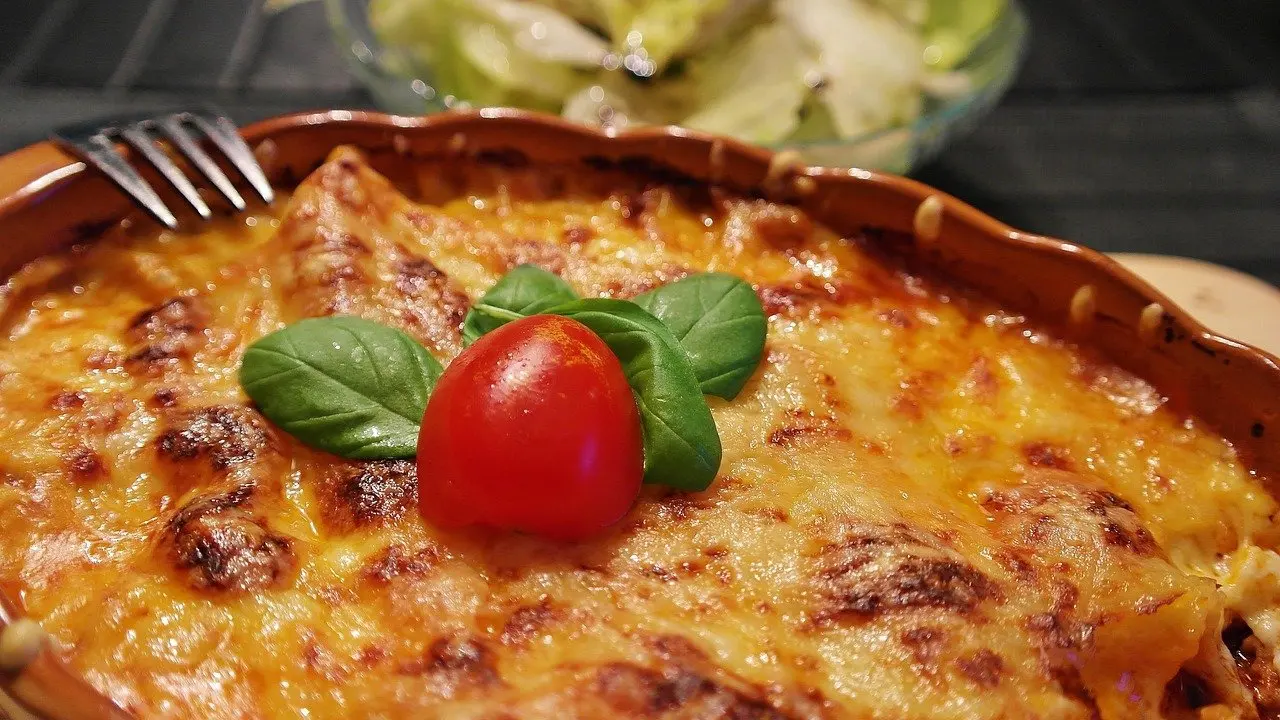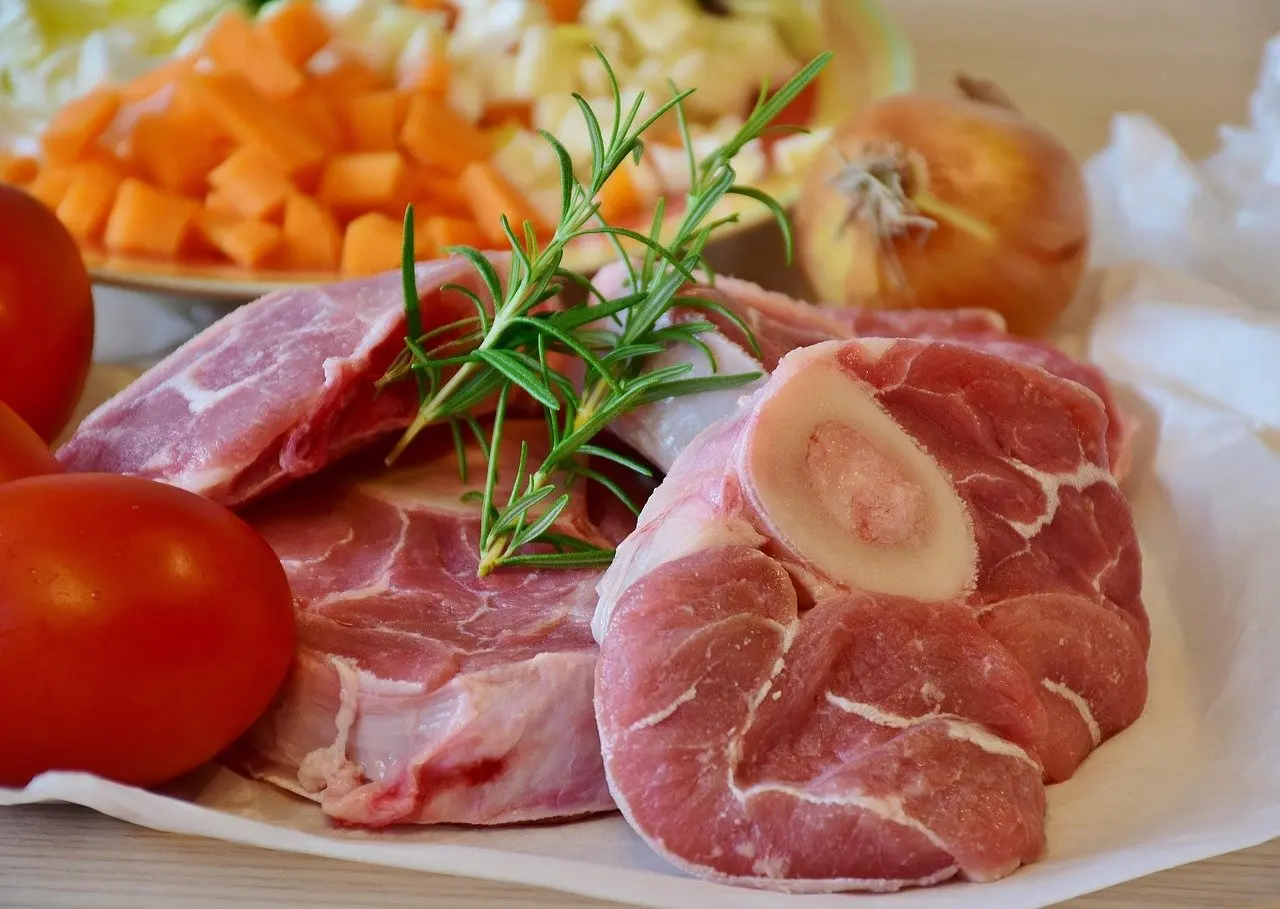
The best starting point for regional Italian recipes is Lombardy, where risotto alla milanese, polenta and osso buco are built from simple ingredients and suit a home kitchen. The list then moves outward to Emilia-Romagna, Puglia and Sicily.
These dishes are a regional slice of the wider set of italian home cooking recipes. They are not ranked against each other. The order follows geography, then a short route for cooks who want to begin with the easiest dishes.
What makes a dish regional
Regional Italian cooking follows what a place grows, raises or catches. Christina’s Cucina notes that coastal areas used more fish because it was accessible, whereas mountainous regions did not. Puglia’s kitchen, as described by Puglia Guys, serves simple but inventive dishes using seasonal, locally produced ingredients. Geography, season and a short ingredient list decide most of what ends up on the table.
The same source says cucina povera dishes are mostly made from super simple recipes with a minimal number of ingredients. That logic runs through most of the dishes below, and the cucina povera recipes guide follows it further. Three criteria shaped this selection:
- Home-cookable: the dish works with a domestic pot, pan or oven and does not depend on professional equipment.
- Clear regional identity: a cook can name the place a dish comes from and the local product that defines it.
- Staple starch: each stop shows which starch carries the meal, because rice, corn, buckwheat and pasta divide the map more clearly than any single recipe does.
Lombardy: the northern starting point
Lombardy is the best place to begin northern Italian home cooking. Renting Milan describes the cuisine as usually home-style, with traditional dishes composed of poor primary products. Good technique matters more than expensive shopping here, which is why the region suits cooks building confidence. Several of the dishes below are Lombard traditional dishes, and each rests on a different staple.
Risotto alla milanese
Risotto alla milanese is the signature rice dish of Milan. The ingredient that cannot be left out is saffron: Renting Milan says what can never be missing is saffron, plenty of it, sautéed with ox marrow, and a nice creaming. The marrow is a traditional element rather than a requirement, so a cook without it can still make a recognisable version. The creamy finish is the real test.
Rice is one of the northern staples that Rick Steves lists alongside polenta and buttery, creamy cheeses, and risotto is its best-known form. The dish suits cooks who are happy to stay at the stove and judge texture by eye. It is less forgiving for anyone who wants to leave a pot unattended.
Osso buco
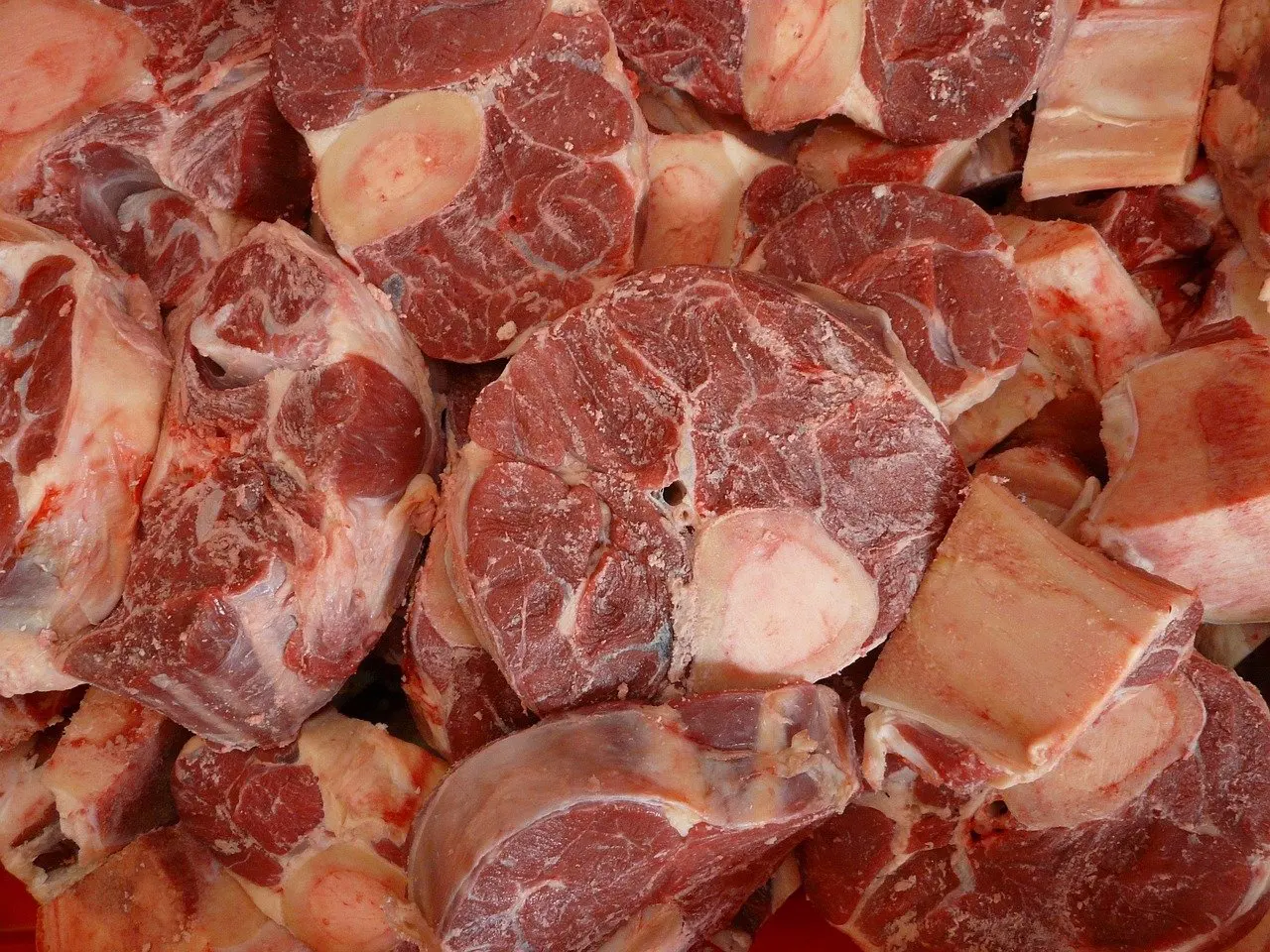
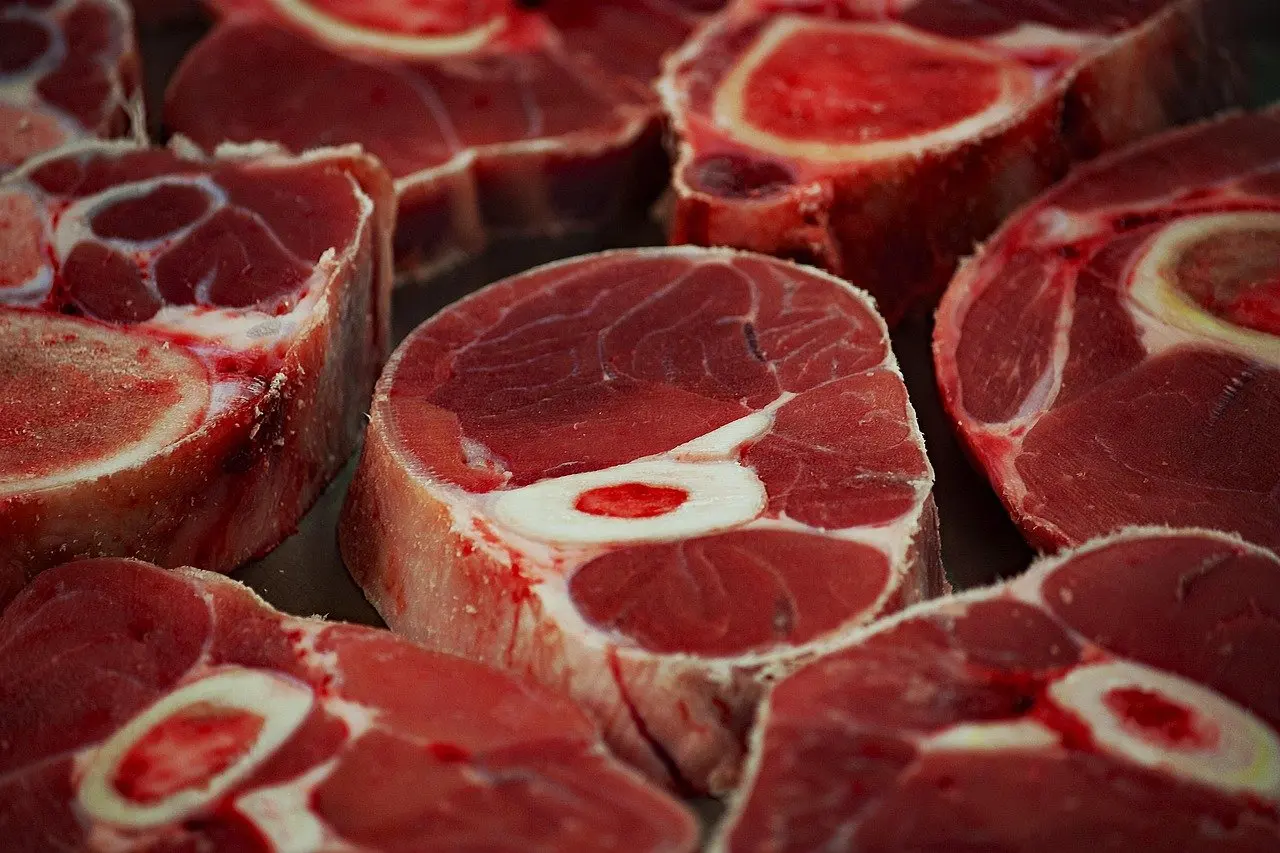
Osso buco is veal shank cooked in a lemony sauce. Rick Steves pairs it with saffron risotto as the dishes to expect in Milan, in his region-by-region guide to eating in Italy. The two are often cooked as a set. Renting Milan reports that many serve the risotto together with the ossobuco in a single dish.
Osso buco suits a cook who has already made risotto and wants a main course to match it. Cooking both for one meal is the natural plan. Choose osso buco for a weekend when the main dish can be the centre of the table, not for a quick weeknight.
Polenta taragna
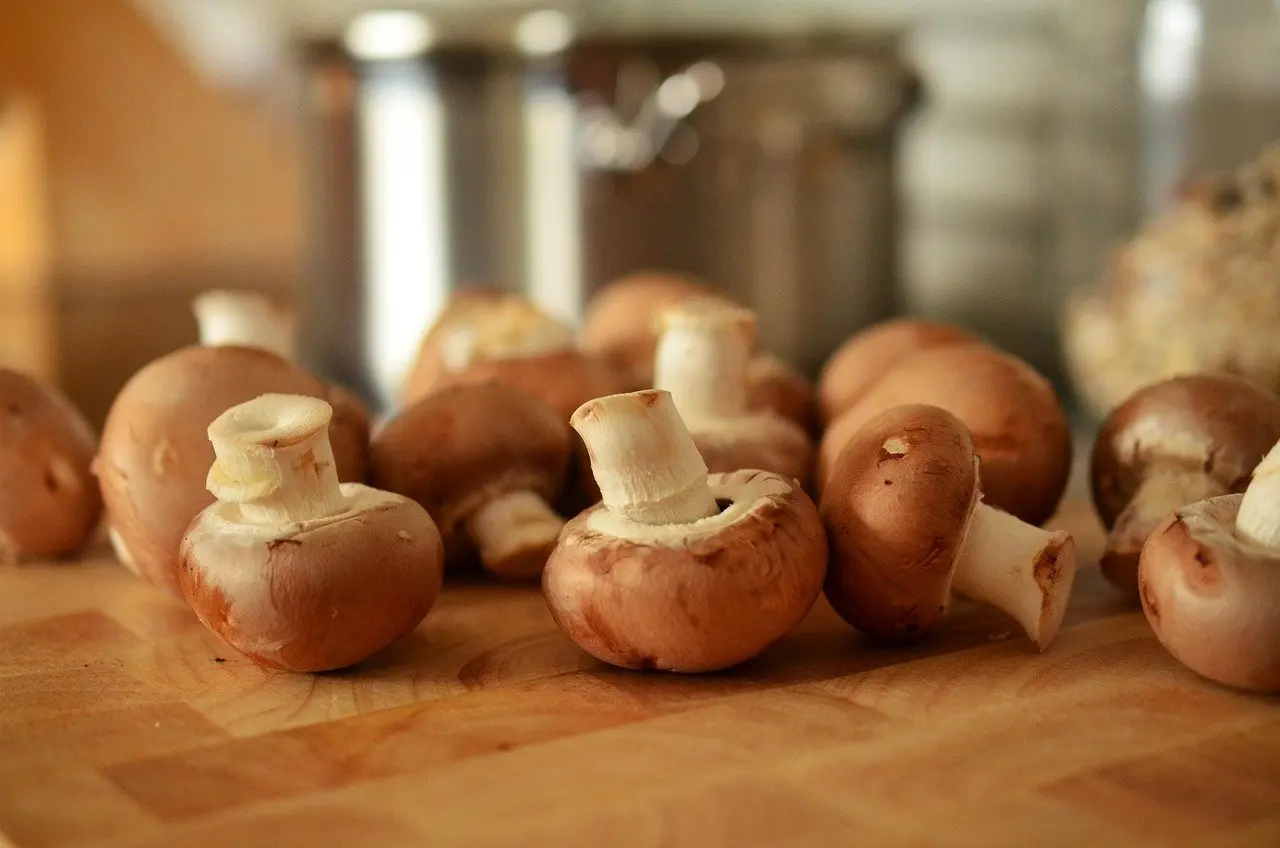
Polenta is the other great northern staple, and the Lombard version called taragna is made from yellow corn flour and black buckwheat flour. Renting Milan says that with cheese it is already perfect on its own. Christina’s Cucina describes polenta more broadly as a simple and delicious corn meal dish that has been made in Italy for centuries.
Polenta suits beginners because it needs little more than flour, water and cheese, and it carries a stew or a plain topping equally well. Taragna adds buckwheat, which gives a darker, earthier result than plain corn polenta. A cook who finds taragna flour hard to buy can start with ordinary corn polenta and treat taragna as the later variation.
Beyond Lombardy: Emilia-Romagna, Puglia and Sicily
Moving outward from Lombardy changes the staple and the style of cooking. Each stop below stands for a different way of eating.
Emilia-Romagna
Emilia-Romagna is defined by products. Rick Steves names Prosciutto di Parma, mortadella, Parmigiano-Reggiano cheese and top-quality aceto balsamico as its pride. Home cooks get the most from this region by buying well and letting a cured meat, a cheese or a vinegar carry the dish, not by looking for a single long recipe. It suits people who like assembling a meal more than tending a pot.
Puglia and orecchiette
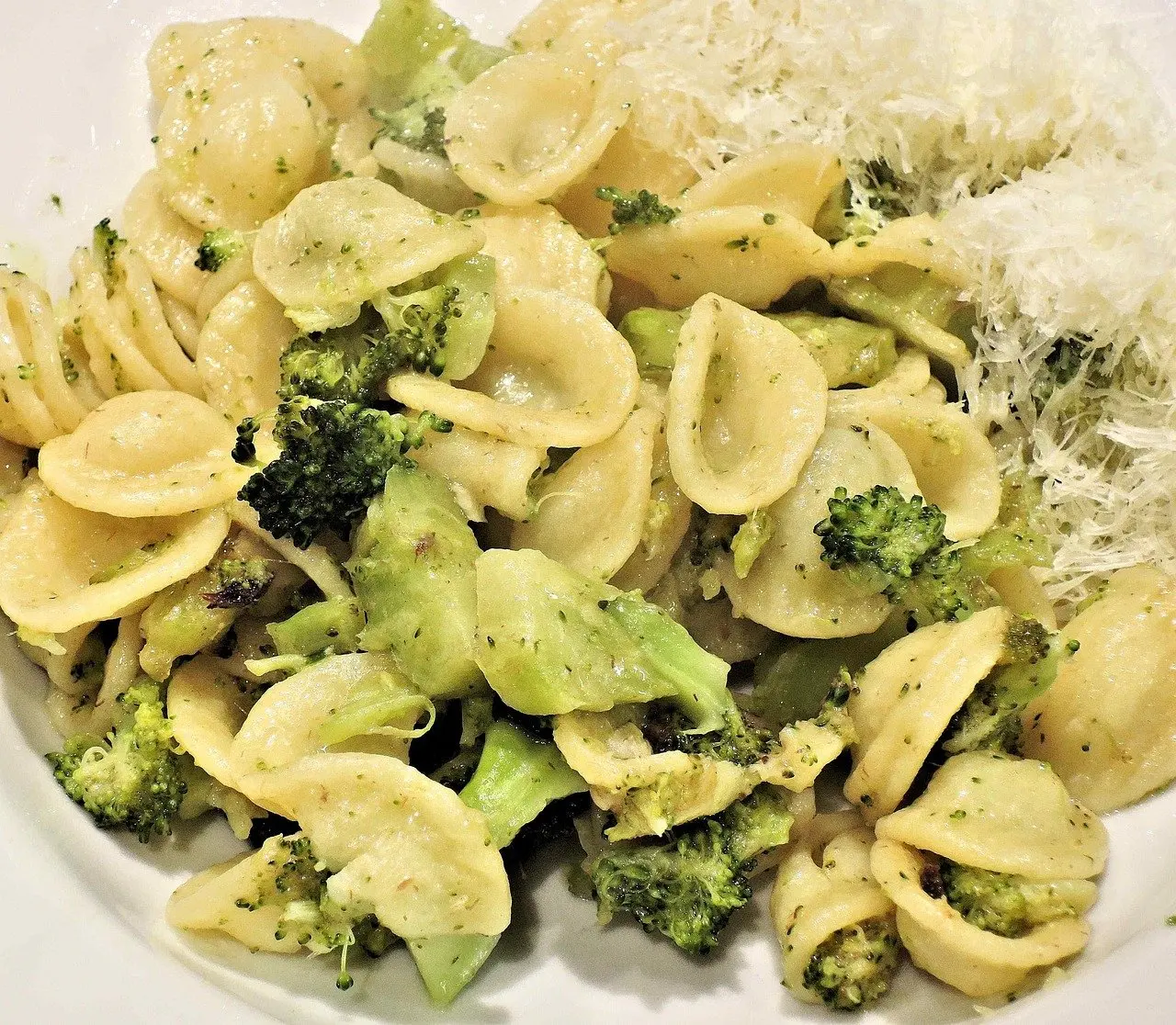
In the south, orecchiette is the pasta to know. Puglia Guys lists orecchiette con cime di rapa, orecchiette pasta with broccoli rabe, among its kitchen recipes, and the region’s cooking is built on seasonal, local produce. The dish suits cooks who like bitter greens and want a southern answer to the northern polenta and rice dishes. It depends on good greens, so it works best when broccoli rabe is in season.
Sicily
Sicily is known for street food. Rick Steves points to the deep-fried rice balls called arancine, among other tasty-but-challenging street foods. Sicilian arancine and Milanese risotto both rely on rice, so the north-south divide is not a simple split between rice and pasta. Frying at home makes arancine the most demanding dish on this list for a first-time cook, so leave them until the simpler dishes feel routine.
Regional dishes at a glance
| Region | Signature dishes | Staple or defining ingredient | Planning use |
|---|---|---|---|
| Lombardy | Risotto alla milanese, osso buco | Rice with saffron; veal shank | Cook together for a showpiece meal |
| Lombardy | Polenta taragna | Yellow corn flour and black buckwheat flour | Simplest entry point; add cheese |
| Lombardy | Pizzoccheri | Short buckwheat noodles with potatoes, savoy cabbage and Valtellina cheese | Choose when buckwheat pasta appeals |
| Lombardy | Cassoeula | Pork boiled for many hours with savoy cabbage | Winter dish; plan a long, slow cook |
| Emilia-Romagna | Cured meats and cheese | Prosciutto di Parma, mortadella, Parmigiano-Reggiano, aceto balsamico | Buy well; little cooking needed |
| Sicily | Arancine and street foods | Deep-fried rice balls | Save for confident cooks |
Dish and staple details come from Renting Milan’s guide to Lombard dishes and Rick Steves’ regional food guide.
How northern and southern home cooking differ
Northern home cooking leans on polenta, rice and buttery, creamy cheeses, according to Rick Steves. That is the starch and dairy pattern behind risotto, taragna and the cheese-rich Lombard dishes above. Southern tables in this list lean on pasta, such as Puglian orecchiette, and on street foods like Sicilian arancine.
The contrast is a tendency, not a border. Rice shows up at both ends of the country, and every region draws on whatever its land and coast provide. The practical point for a home cook is to match the method to the staple: slow stirring for rice, steady cooking for corn flour, and quick tossing of pasta with greens.
Where to start cooking
The easiest route runs from least to most demanding. Cucina povera dishes tend to use few ingredients, so the early picks need little more than the staple and a topping.
- Polenta: start with plain corn polenta and cheese, then try taragna once buckwheat flour is on hand.
- Orecchiette con cime di rapa: a short ingredient list built on greens and pasta, best in the broccoli rabe season.
- Risotto alla milanese: move here when stirring and judging a creamy finish feels comfortable, and do not skimp on the saffron.
- Osso buco: add it for an occasion, served with the risotto.
- Arancine: leave these until last, because they combine rice work with deep frying.
Frequently asked questions
What is pizzoccheri?
Pizzoccheri are a Valtellina speciality of short buckwheat noodles served with potatoes, savoy cabbage and a large quantity of Valtellina cheese.
Which Lombard dish needs the longest cooking?
Cassoeula, a traditional winter dish, boils pork for many hours together with savoy cabbage. It is a better choice for a cold, unhurried day than for a quick meal.
Are risotto alla milanese and osso buco eaten together?
Yes. Many cooks serve them in a single dish, so the saffron rice and the lemony veal shank are usually planned as a pair.