| Situation | Sides to consider | Planning use |
|---|---|---|
| Fish or another light main | Spinach al burro, spinach with vinegar and oil, cannellini beans with olive oil and herbs, asparagus gratinati | Quick pan, dressed or broiler-finished dishes that keep the plate simple |
| Spring into early summer | Vignarola | Built from vegetables that grow around Rome at the end of spring and beginning of summer; works as a side or as a minestra |
| Summer | Green beans, potato and pancetta salad | Described as perfect for summer, so suited to warm-weather meals |
| Fall | Grilled porcini | A fall dish, tied to the mushroom season |
| Winter | Celeriac | A winter vegetable to build a cold-weather side around |
| A heartier plate after pasta | Ciambotta alla Cilentana, papas arrugadas | Potato-based sides that carry more of the meal |
| Serving ahead | Carciofi alla romana | Served hot or at room temperature, so timing is flexible |
The table draws on a food writer’s guide to contorni and the contorni collection on Stefan’s Gourmet Blog.
Italian vegetable side dishes are called contorni, and they follow the pasta course. Choose by season first, then by the main course; for fish, favour quick pan or broiler dishes over heavy stews.
These sides sit within the wider range of italian home cooking recipes, and a fish main is covered in traditional italian fish recipes.
How contorni fit into an Italian meal
A contorno is a side dish, and the writer behind the contorni guide often followed the pasta with something that could be categorised that way. The point is that a meal does not need every course ordered. A plate of pasta, then a vegetable side, is a complete and common rhythm.
The role of the vegetable is larger than the word “side” suggests. A cookbook on Italian garden produce, Vegetables from an Italian Garden, states that vegetables play an important and integral role in every meal, and it is organised into four seasonal sections: spring, summer, fall and winter. Its scope, as described on a podcast episode about the book, is 400 recipes across over 40 vegetables. That seasonal structure is the most useful way to shop and plan, and the rest of this list follows it.
Some dishes also move between roles. Vignarola can be served as a contorno or as a minestra, so a generous batch can stretch from a side to a light main depending on the day.
Sides for fish and other light mains
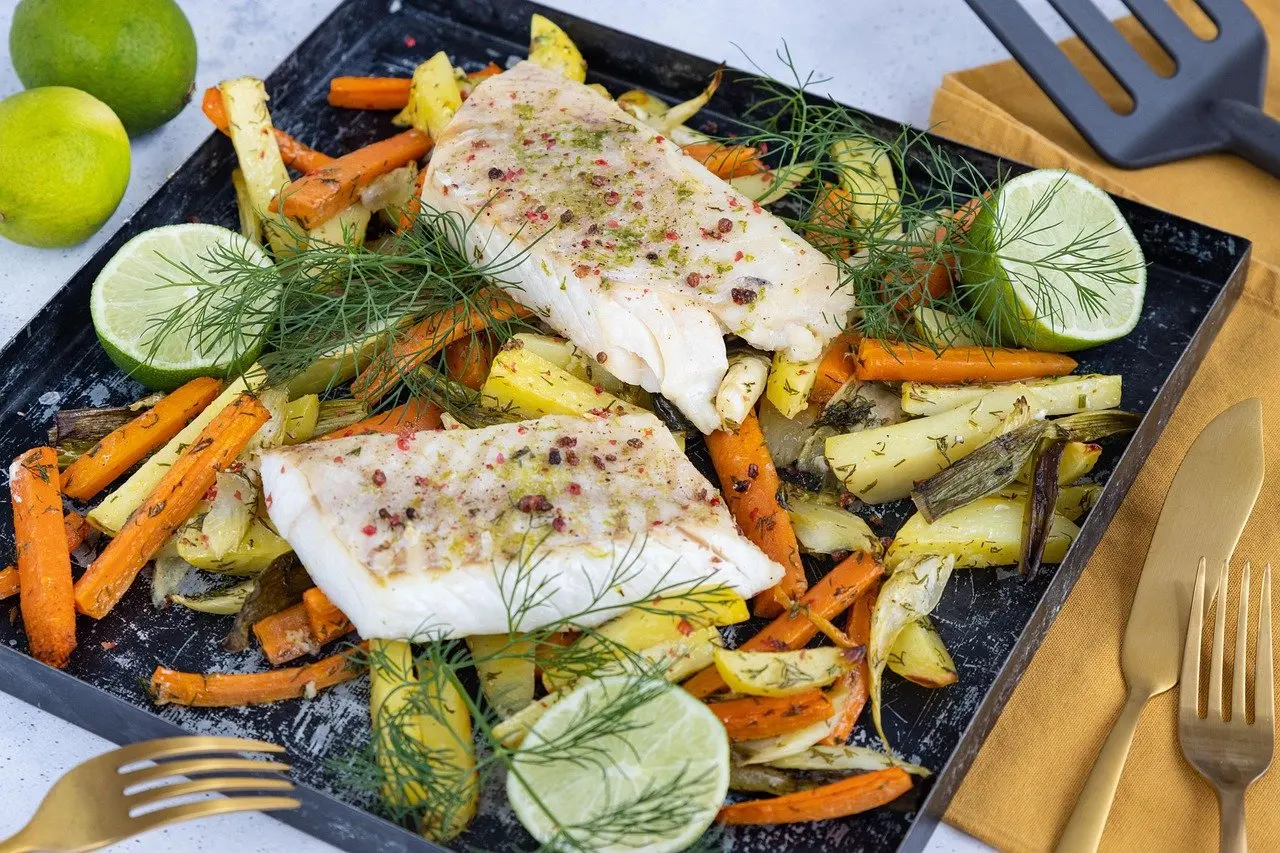
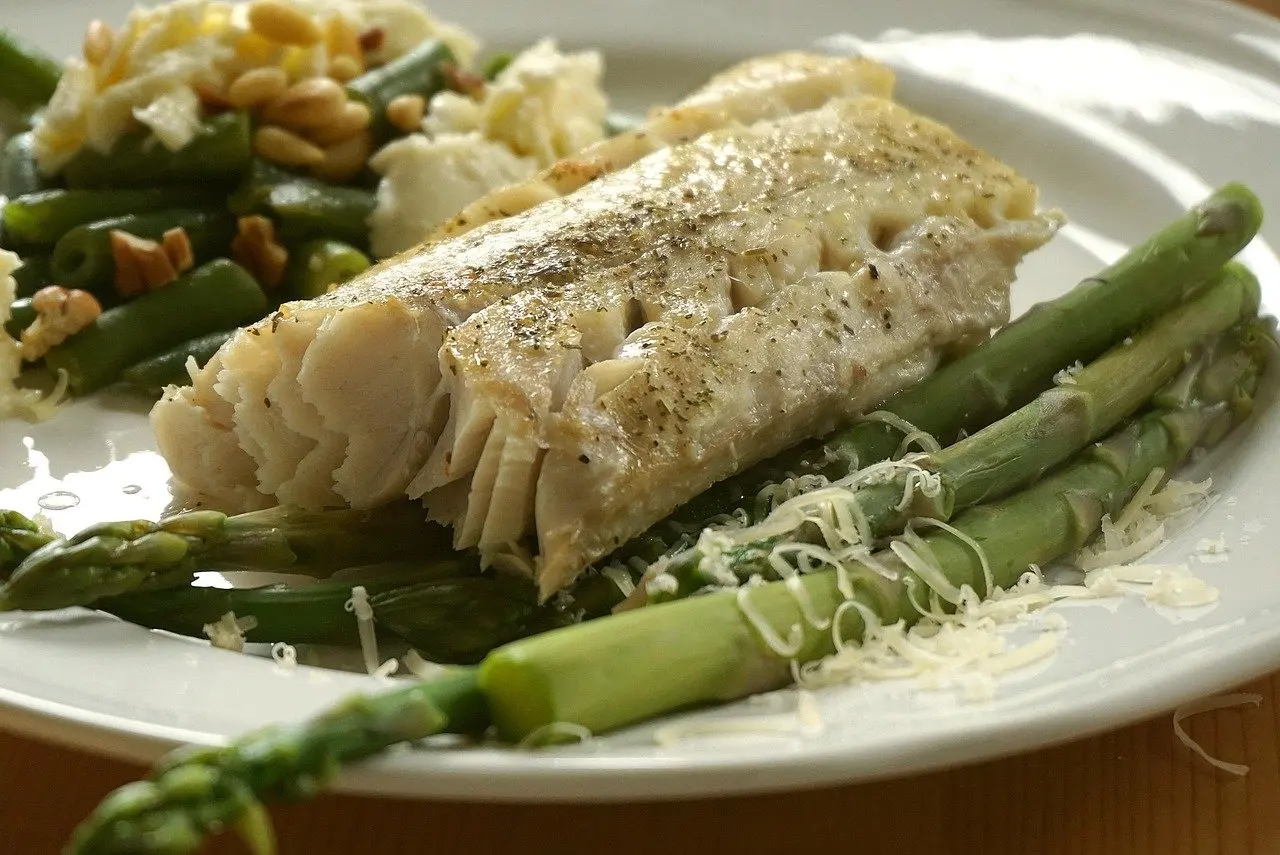
For fish, the best contorni are the ones that need little more than a pan, a dressing or a few minutes under the broiler. They add flavour without competing with the main. Each of these suits a cook who wants the side finished while the fish rests.
Spinach al burro
Spinach al burro is freshly cooked spinach tossed in a frying pan (padella) with butter and often a bit of garlic. It suits anyone who wants a green side in minutes, and it is the easiest pairing for a plain fish fillet. Its limit is richness: the butter makes it better with simply cooked fish than with a dish already finished in a creamy sauce.
Spinach with vinegar and oil
The same writer notes that spinach can also come with vinegar and oil, and describes it as very good. This is the lighter choice when butter feels too much, and it keeps the plate dressed rather than cooked in fat. Choose it when the fish is already seasoned or served with lemon.
Cannellini beans with olive oil and herbs
The cannellini side needs nothing fancy, just a good olive oil and a dash of herbs. Because there are so few ingredients, the olive oil is the flavour, so use the best bottle in the kitchen. This suits cooks who want a filling side that also works beside fish for a more substantial plate.
Asparagus gratinati
Asparagus gratinati is cooked asparagus sprinkled with cheese and run under the broiler. It is a good choice in spring when asparagus is the focus, and it asks for little hands-on time. Keep the cheese light if the main is delicate fish.
The green bean, potato and pancetta salad in the summer section is better matched to simple meat or a warm-weather lunch than to delicate fish, because the pancetta brings its own strong flavour.
Sides by season
Seasonal choice does most of the work in Italian vegetable cooking. The sources behind this list place each dish in the part of the year when its vegetables are at their natural moment.
Spring and early summer
Spinach and Swiss chard appear among the main ingredients in the spring section of the Italian garden cookbook, so the spinach dishes above are at their most natural then. Vignarola is made from vegetables that grow around Rome at the end of spring and beginning of summer, according to Stefan’s Gourmet Blog. Make it when the first spring vegetables arrive together, and serve it as a contorno or ladle it as a minestra.
Summer
A salad of green beans, potato and pancetta is described on the same blog as perfect for the summer. It combines two entities that often appear apart, green beans and potatoes, into a single dish that does not need a hot oven. It suits a warm evening when the main has already used the stove.
Fall
Grilled porcini are a fall dish, with the season being the fall, when mushrooms of all types arrive, according to the contorni guide. Treat them as a seasonal occasion rather than an everyday side. If porcini are unavailable, a different seasonal mushroom is a reasonable direction, but the dish itself belongs to this part of the year.
Winter
Celeriac, also known as celery root, is a winter vegetable, according to the contorni collection on Stefan’s Gourmet Blog. It is the natural base for the coldest months, when summer vegetables are out of season and a root vegetable gives the plate its substance.
Sides that make a heavier plate
Some contorni carry more of the meal. Potatoes and peppers are the usual base, and the dishes below suit a cook who wants a filling vegetable plate rather than a quick green side.
Ciambotta alla Cilentana
This version combines potatoes, eggplant, bell peppers and tomatoes. It suits a cook with time for a stewed vegetable dish and works as a larger side beside meat. It is more than a delicate fish needs, so keep it for heartier mains.
Papas arrugadas
For papas arrugadas, the potatoes are cooked in their skins in heavily salted water. It is a minimal method that leaves the skin on and the preparation simple. It is a sensible pick when oven space is taken and the plate needs a starchy side.
Baked peppers, eggplant and zucchini
Another dish on the collection roasts eggplant, zucchini and bell peppers, then bakes them under cheese. It suits a cook who can use the oven and wants a vegetable-led plate. After a pasta course such as a homemade potato gnocchi recipe, a lighter side is usually the better call, so save this one for when pasta is not on the table.
Sides to serve cold or at room temperature
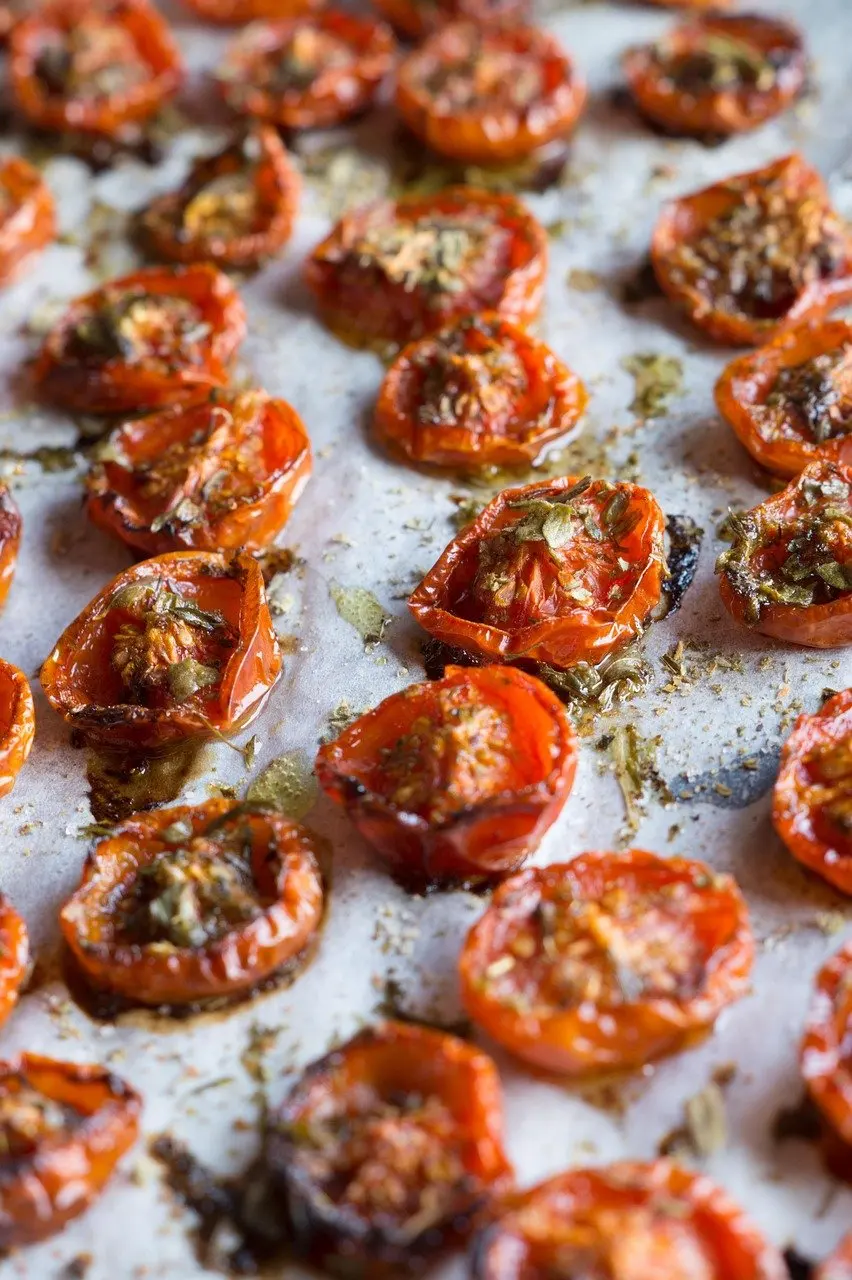
Yes, some Italian vegetable sides can be served cold or at room temperature, though not every dish is suited to it. Carciofi alla romana are served hot or at room temperature, according to the contorni guide. That makes them a good choice when the side must be ready before the main.
Dishes that are dressed rather than buttered are the easiest to prepare ahead. Spinach with vinegar and oil, and the summer salad of green beans, potato and pancetta, are the natural candidates, since both are built around a dressing or a salad format. Dishes finished under the broiler, like asparagus gratinati, are best served straight away.
Cooking seasonal vegetables simply
The common thread across these dishes is a short list of ingredients and one clear technique. Four approaches cover most of what the sources describe.
- Pan-toss with butter. Freshly cooked spinach gets turned in a skillet with butter, frequently with a little garlic added.
- Dress with oil. Cannellini beans need just a good olive oil and a dash of herbs, and spinach can be dressed with vinegar and oil.
- Finish under the broiler. Cooked asparagus sprinkled with cheese becomes asparagus gratinati.
- Keep the skins on. For this dish, the potatoes go into heavily salted water still in their skins.
Choose the technique by what the main course is doing. With fish, the dressed and pan-tossed options fit best, while the broiler and stewed dishes belong with something heartier.
Frequently asked questions
| Question | Answer |
|---|---|
| What are contorni and how are they served? | Contorni are side dishes, often served after the pasta course. Some, such as vignarola, can also be eaten as a minestra. |
| How do you cook seasonal vegetables simply Italian-style? | Use one method and few ingredients: toss spinach in a pan with butter and garlic, dress cannellini beans with olive oil and herbs, or broil cooked asparagus with cheese. |
| Can Italian vegetable sides be served cold? | Some can. Carciofi alla romana are served hot or at room temperature, and dressed dishes are the easiest to make ahead. |
| Which side suits fish best? | Light dressed or pan-cooked sides such as spinach with vinegar and oil suit fish better than stewed or pancetta-based dishes. |