The best lens for food photography for most beginners is a 50mm f/1.8 prime. Lenses from 50mm to 100mm all give a natural perspective, so step up to a longer or macro lens only when the 50mm stops fitting your shots.
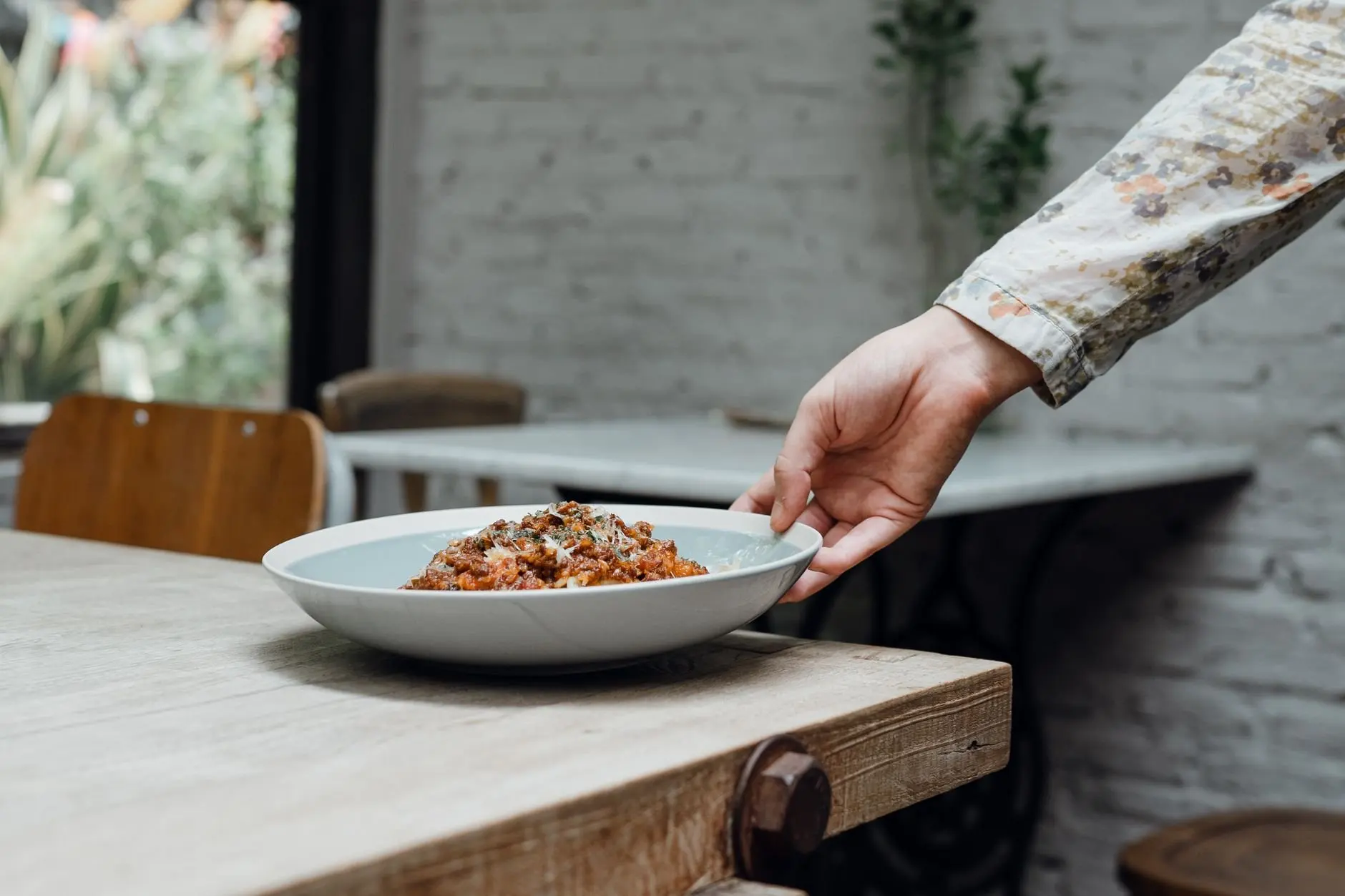
Picture a plate of pasta on a kitchen table near a window, with a kit lens on the camera and a shortlist of upgrades. This guide ranks those upgrades by who they suit, and it sits alongside the wider food photography for beginners guide for lighting and styling.
The shortlist at a glance
Each lens below solves a different problem: cost, framing, close detail or flexibility. Pick the problem you actually have rather than the longest focal length you can afford.
| Lens | Suits | Main limit | Planning use |
|---|---|---|---|
| 50mm f/1.8 prime | Beginners, overhead shots, flat lays, plated dishes, low light | Budget builds use more plastic and fewer weather seals | Best first upgrade from a kit lens |
| 100mm macro | Close detail such as textures | Not strictly required for blog and social work | Buy for tight texture shots, not as a starter lens |
| 35mm prime | Small spaces where a wider frame helps | Frames wider than the other options | Useful when you cannot step back |
| Zoom lens | Tight kitchens that need flexible framing | Prime lenses are usually sharper and better in low light | Keep a kit zoom until a prime earns its place |
These pairings follow the lens guidance in Ait Insider’s food photography lens guide.
50mm f/1.8: the affordable first upgrade
The 50mm f/1.8 is often called the “nifty fifty” because it is affordable, sharp and excellent in low light, according to Ait Insider. That mix makes it the safest answer to the question of the best lens for food photography when you are just starting.
Who it suits: anyone shooting dinners at a kitchen table or windowsill who wants sharper results than a kit zoom gives. Its limit is that a fixed focal length means you move your feet, not a ring, to change the framing. If the table is cramped, read the section on tight kitchens below before buying.
50mm vs longer lenses for food
Neither lens wins outright, because both sit inside the 50mm to 100mm range that Ait Insider describes as great for food because it offers a natural perspective.
The practical difference is working distance and framing. A 50mm works well when you can stand close over the dish. Buy the 50mm first, because it is the cheaper and more versatile starting point, then add the longer lens if you keep wishing for a tighter view.
Compare how much of the table each frame shows and whether the longer lens actually removes clutter you care about. If the kit lens and the 50mm look similar at your usual settings, the money may be better spent on light or a stand. The best tripod for food photography is one such alternative.
Macro lens for close detail
A 100mm macro lens is the choice for close detail, since macro lenses are fantastic if you want to zoom in on the details. Layers in a dessert, sugar crystals and the crumb of bread are the kind of subjects it suits.
You do not need one to start. For blog and social media work, a 50mm or 35mm lens may be enough and can still give excellent quality. Treat a macro lens as a specialist second lens for texture-led shots, and skip it while your main frames are whole plates and tables.
Cheap lenses and kit lenses
A kit lens can take good food photos, and a cheap prime can take better ones. Budget lenses are often made with more plastic and fewer weather-sealing features, but Ait Insider notes they still produce good food photos. In a kitchen or studio setup, weather sealing matters little.
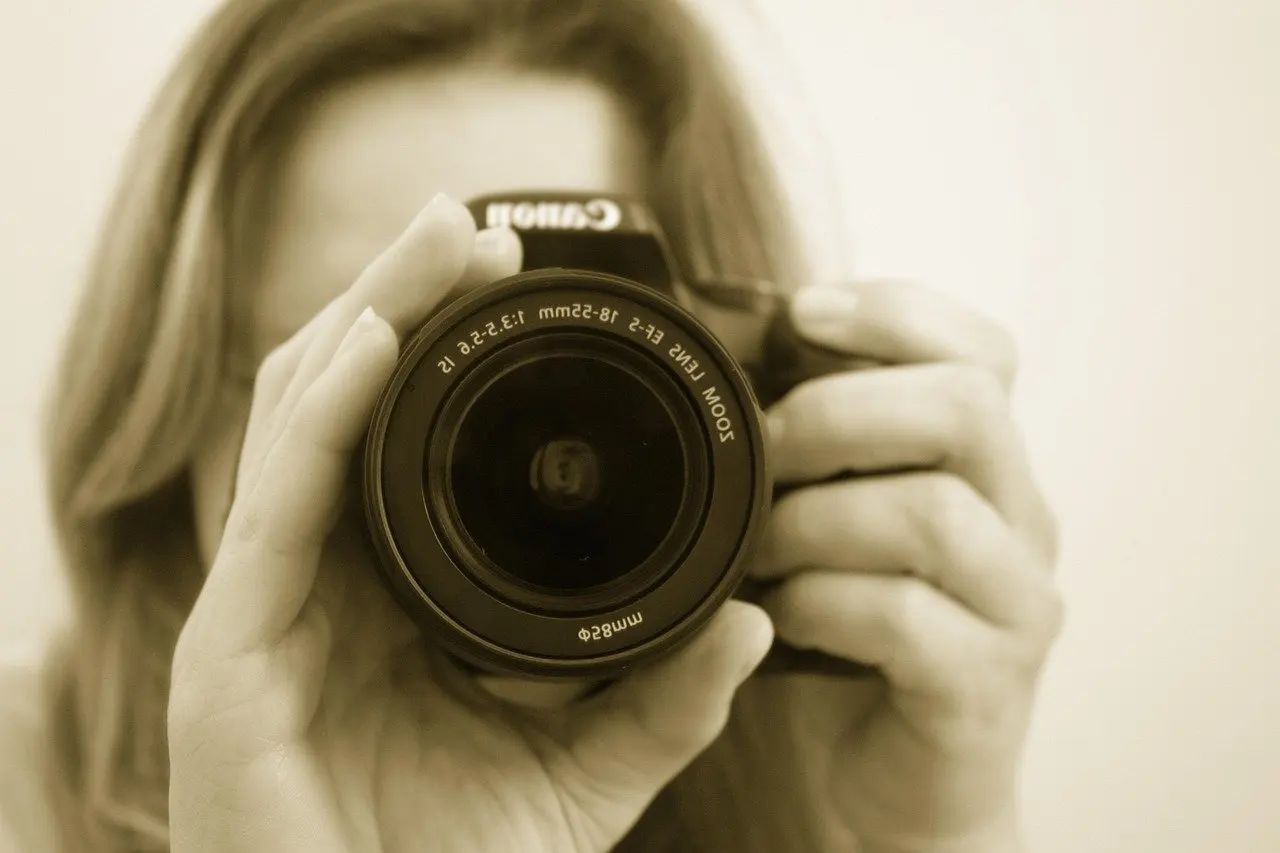
For a cheap lens for food photos, the 50mm f/1.8 above is the usual target. Keep the kit lens until you have tested a prime against it, and see the best camera settings for food photography to get the most from whichever you own.
Quick rule: upgrade when your kit lens struggles with low light or when you want sharper results. Do not upgrade just because the other lens has a bigger number.
One lens for overhead and side shots
A 50mm prime is the simplest single lens for both angles. Ait Insider says it is perfect for overhead shots, flat lays and plated dishes, and its natural perspective also handles a side view of a plate.
When 35mm helps
A 35mm lens gives a wider frame without bending the image too much, which helps when you cannot step back from the table.
When a zoom helps
Zoom lenses give flexibility when shooting in tight spaces. If your kitchen is cramped, a zoom lets you reframe without moving. The trade-off is that prime lenses are usually sharper and better for low light, so a zoom suits flexibility, and a prime suits image quality.
Decision checklist
- Start with the lens you own. Shoot a plate with the kit lens near a window and note what bothers you: dim light, soft detail or cramped framing.
- Choose a 50mm f/1.8 for low light and sharpness. It is the budget-friendly fix for the first two problems.
- Choose a 35mm or zoom for cramped framing. Both help when you cannot back away from the table.
- Add a macro last. Buy it for close texture work, not as a general-purpose lens.
Frequently asked questions
What does maximum aperture change for food photos?
A wider maximum aperture such as f/1.8 or f/2.8 lets in more light and blurs the background, so it helps in dim rooms and when you want the dish to stand out.
What is a prime lens?
A prime lens has a fixed focal length. That design means prime lenses are usually sharper and better in low light than zooms.
When do professional lenses add value?
Professional lenses often add features such as image stabilization and weather sealing. For a home food setup, those extras are optional, and a budget prime already covers the basics.